Reasons for a Drop in Organic Traffic and How to Recover It

Reasons for a Drop in Organic Traffic and How to Recover It

The value of organic traffic as a website visitor source reaches its maximum because search engines deliver users to a site without the need for paid advertising. Businesses face permanent or temporary declines in their organic traffic which results in reduced leads and sales and decreased online visibility.

The reasons for traffic decline include multiple factors which encompass both technical problems and search engine algorithm changes. The root cause must be identified to achieve ranking restoration and to boost SEO performance for extended periods.

What Is Organic Traffic?

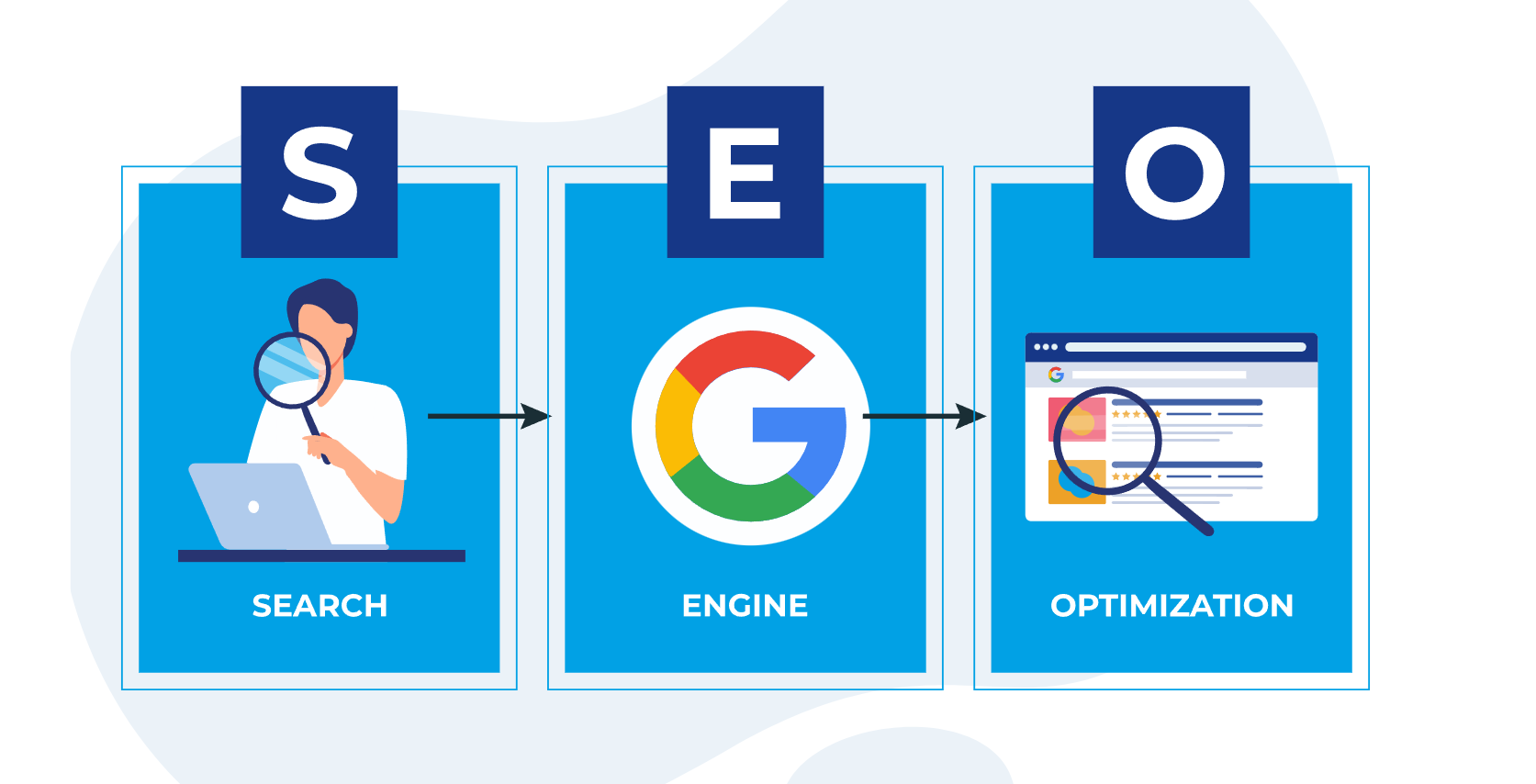
People who reach your website through unpaid search engine results create organic traffic to your site. Users discover your website through keyword searches that match your products and services and your website content.

Websites with strong organic traffic achieve three goals because they show users that their site is trustworthy and relevant to search engine results.

Common Reasons for a Drop in Organic Traffic

1. Google Algorithm Updates

Search engines frequently update their algorithms to improve search quality and user experience. Major updates can significantly affect website rankings, especially if the website does not follow current SEO best practices.

Websites with low-quality content and poor user experience and spammy backlinks experience ranking drops after algorithm updates.


2. Technical SEO Issues

Technical problems can prevent search engines from properly crawling and indexing your website. Common technical SEO issues include:

  • Broken pages or 404 errors
  • Slow website speed
  • Mobile usability issues
  • Incorrect redirects
  • Crawl errors
  • Server downtime
  • Blocked pages in robots.txt

Even small technical issues can negatively impact search visibility.

3. Loss of Keyword Rankings

A website may lose rankings if competitors improve their SEO strategies or publish stronger content. Declining keyword positions naturally result in reduced traffic.

User search behavior changes will create an impact on keyword performance throughout the duration of time.

4. Poor Content Quality

Search engines will lose trust in your website due to outdated or duplicate or thin content present on your site. Search engines give higher priority to content that delivers value while remaining relevant and serving user needs.

Your website content will experience ranking difficulties when it fails to match user intent and lacks sufficient depth.

5. Backlink Problems

Backlinks continue to serve as a major element which determines website rankings. The loss of valuable backlinks together with the acquisition of worthless links will result in reduced domain authority and decreased organic search visibility.

Search engines will impose penalties on websites that have toxic backlinks.

6. Website Redesign or Migration Errors

Website redesigns and migrations can cause traffic loss if SEO elements are not handled properly. Common mistakes include:

  • Missing redirects
  • Changed URL structures
  • Lost metadata
  • Indexing issues
  • Broken internal links

Without proper SEO migration planning, rankings can drop significantly.

7. Increased Competition

The competitive nature of SEO leads to ongoing website improvements by competitors who enhance their online platforms through better content and backlink acquisition methods. Your website will lose rankings to competitors who deliver superior user experiences and provide more useful content than your site offers.

8. Manual Penalties

Search engines may issue manual penalties for violating SEO guidelines. Common causes include:

  • Buying backlinks
  • Keyword stuffing
  • Hidden text
  • Spam content
  • Cloaking

Penalties can drastically reduce search visibility and traffic.

How to Recover Organic Traffic

Perform a Complete SEO Audit

The first step is identifying the exact reason for the traffic drop. A complete SEO audit helps analyze:

  • Technical SEO issues
  • Keyword ranking changes
  • Content performance
  • Backlink profile
  • Indexing problems
  • User experience factors

An SEO audit provides a clear recovery roadmap.

Improve Website Content

Content quality is critical for SEO recovery. Update outdated pages and create valuable, informative, and user-focused content.

Focus on:

  • Solving user problems
  • Improving readability
  • Adding updated information
  • Optimizing keywords naturally
  • Including relevant internal links

Fresh and optimized content can help regain lost rankings.

Fix Technical SEO Issues

Technical optimization is essential for restoring search visibility.

Key improvements include:

  • Increasing website speed
  • Fixing broken links
  • Optimizing mobile responsiveness
  • Resolving crawl errors
  • Updating XML sitemaps
  • Ensuring HTTPS security

Technical fixes improve both search engine crawling and user experience.

Analyze Backlinks

Review your backlink profile regularly. Remove or disavow toxic backlinks that may harm rankings.

At the same time, focus on earning high-quality backlinks through:

  • Guest posting
  • Valuable content creation
  • Industry partnerships
  • Digital PR strategies

Strong backlinks improve website authority and search rankings.

Monitor Keyword Performance

Track keyword rankings to identify pages that lost visibility. Re-optimize these pages with improved content, updated keywords, and better on-page SEO.

Targeting long-tail keywords can also help recover traffic faster.

Optimize for User Experience

Search engines prioritize websites that provide positive user experiences. Important UX improvements include:

  • Fast loading pages
  • Mobile-friendly design
  • Easy navigation
  • Clear page structure
  • Reduced bounce rates

Better user engagement signals can positively impact rankings.

Stay Updated With SEO Trends

SEO is constantly evolving. Businesses should stay updated with search engine algorithm changes and industry best practices.

Important modern SEO factors include:

  • AI-driven search optimization
  • Core Web Vitals
  • Helpful content updates
  • Voice search optimization
  • Semantic search

Adapting to new SEO trends helps maintain stable traffic growth.

Final Thoughts

The complete process of recovery starts with finding the main problem which needs to be solved through technical improvements, content development, and establishment of website authority.

The process of SEO requires businesses to implement ongoing performance assessments together with necessary enhancements. The companies that conduct website audits together with current SEO methods will achieve better search engine performance and continuous growth in organic website visitors.

Youthtech Solutions LLP provides businesses with expert SEO services which help them determine reasons for losing website traffic and enhance their search engine presence while achieving long-term online expansion.


Why Your Business Needs a Mobile App in 2026

Companies in the current digital-first environment are continuously exploring better methods to establish customer connections while developing their online identity. The best solution to this problem requires organizations to develop a Mobile App which provides users with quick and personalized services that enhance their convenience. Businesses that adopt mobile technology will gain a competitive edge and create better connections with customers because smartphone usage continues to rise.

Businesses can develop successful applications which meet their objectives and customer requirements through collaboration with a Mobile App Development Company in India.

The Growing Importance of Mobile Apps

Mobile devices now serve as essential components in modern daily activities. People use smartphones for shopping, communication, payments, entertainment, education, and business services. The increasing need for mobile technology has created a situation where businesses must adopt mobile applications beyond their existing website operations.

A Mobile App allows businesses to stay connected with customers 24/7 while offering faster and more personalized experiences.

Benefits of Having a Mobile App for Your Business

1. Better Customer Engagement

A Mobile App establishes direct contact between enterprises and their customers. The platforms enable businesses to connect with their customers through push notifications and live chat and personalized updates.

The company needs to maintain regular contact with customers because it builds customer loyalty and drives additional sales.

2. Improved Brand Visibility

Customers spend several hours daily using mobile devices. The mobile app installation on customers’ smartphones provides your business with constant visibility.

The continuous presence of your brand enables customers to develop better brand recognition and trust in your business.

3. Faster and More Convenient User Experience

Mobile apps deliver better navigation experiences and increased speed of content loading compared to websites. The customers need only two taps to access product information and service booking options and customer support contact methods.

Customer satisfaction and customer retention depend heavily on the convenience factor.

4. Increased Sales Opportunities

Businesses can use Mobile Apps to improve conversions and boost sales through:

  • Easy checkout systems
  • Personalized offers
  • Loyalty programs
  • Push notifications
  • Secure payment gateways

eCommerce businesses especially benefit from mobile applications because customers prefer quick and simple shopping experiences.

5. Access to a Larger Audience

A business can develop applications that reach numerous customers through its collaboration with a reputable Mobile App Development Company based in India. The app market enables businesses to access millions of potential customers because Android and iOS users depend on applications.

India has become a leading destination for mobile app development due to cost-effective services, skilled developers, and advanced technical expertise.

6. Better Customer Support

A Mobile App can improve customer service by integrating:

  • Live chat support
  • AI chatbots
  • FAQ sections
  • Customer feedback forms
  • Ticket support systems

Quick and efficient support improves customer satisfaction and business credibility.

7. Competitive Advantage

Many businesses still operate without dedicated mobile applications. Investing in a Mobile App gives businesses a modern digital presence and helps them stand out from competitors.

Businesses that adopt mobile technology early often build stronger customer loyalty and market authority.

Why Choose a Mobile App Development Company in India?

India has become one of the top global hubs for mobile application development. Businesses worldwide prefer Indian app development companies because of:

  • Affordable development costs
  • Experienced developers
  • Latest technology expertise
  • High-quality project delivery
  • Scalable solutions
  • Strong technical support

A professional Mobile App Development Company in India can build customized applications for startups, small businesses, and large enterprises across multiple industries.

Industries Benefiting From Mobile Apps

Almost every industry can benefit from mobile app development, including:

  • Healthcare
  • Education
  • eCommerce
  • Food delivery
  • Travel and tourism
  • Real estate
  • Finance
  • Fitness and wellness

Customized mobile solutions improve operational efficiency and customer engagement across different business sectors.

Essential Features of a Successful Mobile App

A high-quality Mobile App should include:

  • User-friendly interface
  • Fast loading speed
  • Strong security features
  • Push notifications
  • Smooth navigation
  • Mobile payment integration
  • Real-time support

A well-designed app improves user retention and overall customer experience.

Future of Mobile Apps in Business

The future of business is becoming increasingly mobile-driven. The mobile app industry experiences transformation through advanced technologies which include Artificial Intelligence (AI), Augmented Reality (AR), cloud integration, and voice search.

Companies which invest in contemporary mobile technologies today will enjoy better results because these technologies enable them to meet forthcoming digital growth and customer demands.

Final Thoughts

A Mobile App has transitioned from being an optional digital asset to an essential resource which businesses need for their business expansion and customer contact and brand development. Professional app development provides businesses with a way to enhance customer experience while boosting sales and establishing long-term market advantages.

The process of selecting a Mobile App Development Company in India becomes essential for creating mobile applications which deliver business success through their ability to handle growth and maintain security and provide intuitive interfaces.

Youthtech Solutions LLP offers businesses access to personalized Mobile App development services which help businesses engage customers and enhance their online presence and achieve sustainable business growth.


Laravel vs CMS Websites: Which One Is Better for Your Business?

All businesses in the current digital era need to establish professional websites as their fundamental requirement. The success of your business depends on your choice of website development solution which you need to make for your startup or online store or corporate platform development. The two most common website development solutions include Laravel websites and CMS-based websites.

The two solutions provide distinct benefits yet your selection should match your corporate objectives and available funds and future growth demands and need for tailor-made solutions. Businesses can achieve better growth outcomes through their understanding of how Laravel and CMS platforms differ from each other.

What Is Laravel?

Laravel serves as a robust PHP framework which enables developers to create custom-built web applications and websites. The system has gained widespread recognition because of its ability to deliver flexible security and high-performance capabilities which support extensive system growth.

Laravel allows developers to build websites from scratch with complete control over functionality, design, and integrations. It is often used for:

  • Custom business portals
  • Enterprise applications
  • CRM and ERP systems
  • Large eCommerce websites
  • Membership platforms
  • SaaS products

Laravel is ideal for businesses that need advanced features and highly customized solutions.

What Is a CMS Website?

A CMS (Content Management System) enables users to develop and handle website content without requiring advanced programming skills. The most widely used CMS platforms currently available are WordPress, Joomla, and Drupal.

CMS websites are commonly used for:

  • Blogs
  • Business websites
  • Portfolio websites
  • Small online stores
  • Informational websites

CMS platforms provide ready-made themes, plugins, and tools that make website development faster and more affordable.

Laravel vs CMS: Major Differences

1. Customization Flexibility

Laravel delivers full customization power because developers build websites according to particular business needs. The developers have complete freedom to build custom functionalities together with their workflows and dashboards and system integrations.

CMS websites depend on their existing themes and plugins for their core functionality. The system permits users to make customizations yet complex modifications become challenging while requiring additional plugins that could degrade website performance.

Best Choice: Laravel for advanced customization.

2. Development Speed

The CMS website development process becomes faster because content management systems provide pre-built website templates and plugins which developers can use. Businesses can quickly create a professional website without building everything from scratch.

The Laravel development process requires additional time because developers must build custom system components and business-specific functionalities.

Best Choice: CMS for faster website launch.

3. Scalability

The basic requirements of websites need to be expanded when businesses experience growth because they need to add new features and handle more traffic and achieve better performance. Laravel provides businesses with a scalable solution that supports their long-term growth needs.

CMS platforms may face limitations when handling large databases, high traffic, or highly customized features.

Best Choice: Laravel for scalability and future growth.

4. Security

Security is one of the biggest concerns for businesses operating online. Laravel includes advanced built-in security features such as:

  • Authentication systems
  • CSRF protection
  • SQL injection prevention
  • Secure routing

Content management systems CMS platforms provide secure protection but their security gets compromised when users install outdated plugins and themes. Cybercriminals frequently target CMS platforms because of their widespread usage among organizations.

Best Choice: Laravel for stronger security.

5. SEO Performance

Both Laravel and CMS websites can perform well in search engines when optimized properly.

CMS platforms like WordPress provide SEO plugins that simplify optimization tasks such as:

  • Meta tags
  • XML sitemaps
  • Schema markup
  • Content optimization

Laravel websites require custom SEO implementation but offer greater control over technical SEO elements.

Best Choice: Both can perform well with proper SEO strategies.

6. Cost Consideration

Budget constraints make CMS websites more affordable because they use pre-designed templates and available plugins. Small businesses and startups choose CMS solutions because they provide cost-effective options.

The initial costs of Laravel websites become higher because they depend on professional developers who need to create customized solutions. The use of Laravel delivers superior long-term worth to companies that require development of intricate systems.

Best Choice: CMS for lower initial costs.

Which Option Is Better for Your Business?

The right choice depends entirely on your business requirements.

Choose Laravel If:

  • You need a fully customized website
  • Your business requires advanced functionality
  • You expect high website traffic
  • Security is a top priority
  • You plan long-term scalability

Choose a CMS Website If:

  • You need a website quickly
  • Your budget is limited
  • You want easy content management
  • Your website requirements are relatively simple
  • You prefer plugin-based functionality

Final Thoughts

Both Laravel and CMS frameworks possess unique advantages and drawbacks which define their respective capabilities. CMS platforms excel as deployment solutions for small to medium-sized websites because they provide straightforward management options. Businesses should utilize Laravel because it delivers them with scalable web applications which they can develop using custom features.

The selection of an appropriate platform requires evaluation of present needs and assessment of upcoming business expansion requirements and digital transformation plans. A website that has been developed by professionals will enhance user experience and increase online visibility while delivering better business results.

At Youthtech Solutions LLP, businesses can receive expert assistance with their Laravel development needs and CMS website solutions which they require to achieve their particular business objectives and industry standards.


Why SEO Services Are Essential for Business Growth in 2026

The current business environment requires organizations to establish online presence through websites because the existing digital landscape demands more than basic website presence. Businesses need visibility and credibility along with steady online traffic to maintain their competitive edge. SEO services provide essential support to businesses. Search Engine Optimization  enables businesses to enhance their online visibility and reach their desired audience while achieving sustainable growth through organic search traffic.

Search engines have developed new technologies that require modern SEO techniques which deliver superior results than previous methods. Any business size should use professional SEO services because they deliver major benefits to online operations.

What Are SEO Services?

SEO services consist of various techniques and strategies that help websites achieve better rankings on search engines such as Google and Bing. The main goal of the project is to boost organic website traffic through website enhancements which will improve user experience and establish website authority.

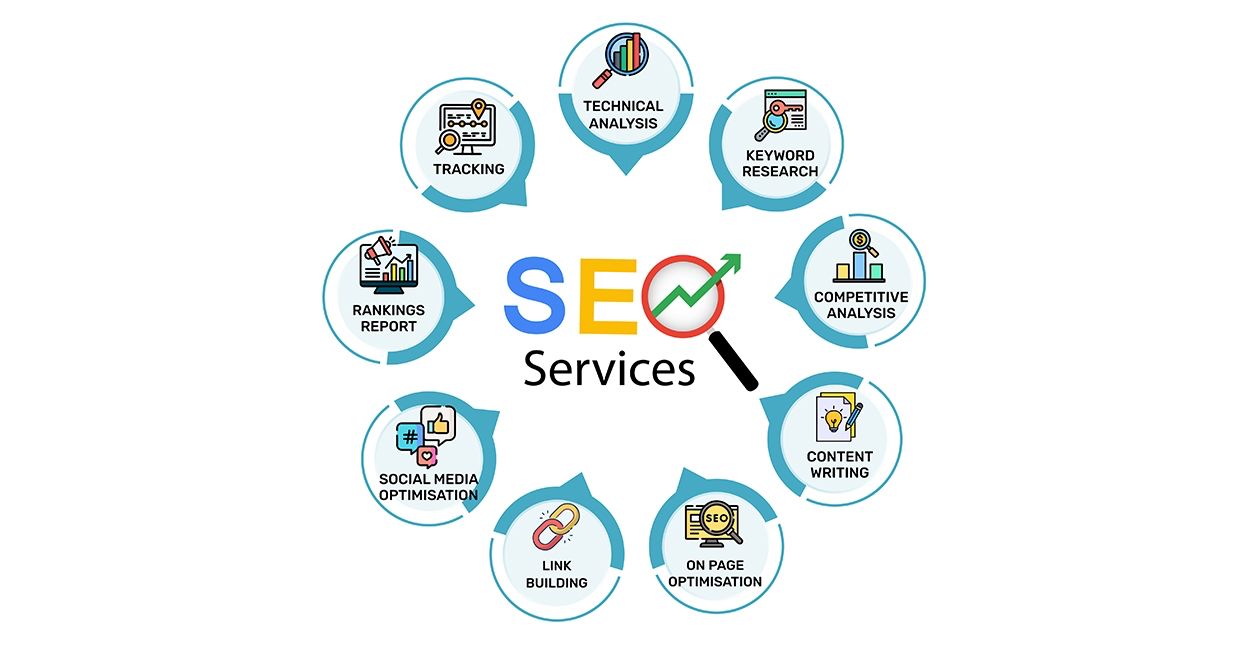
Professional SEO services typically include:

  • Keyword research
  • On-page optimization
  • Technical SEO
  • Content optimization
  • Link building
  • Website speed improvement
  • Mobile optimization
  • Local SEO
  • Analytics and performance tracking

These strategies work together to improve search engine rankings and help businesses connect with potential customers.

Why SEO Matters for Businesses

Millions of users search online every day for products, services, and information. Your business will lose potential customers to your competitors because it does not appear in search results.

SEO helps businesses:

Increase Online Visibility

Higher search engine rankings lead to better brand visibility for your business. The repeated appearance of your website in search results establishes trust with users while building brand recognition.

Drive Targeted Traffic

SEO aims to bring in visitors who actively search for your products and services. Your website receives highly relevant traffic which has a better chance of turning into customers.

Improve User Experience

Modern SEO requires more than just searching for specific keywords. Search engines rank websites higher when those sites deliver exceptional experiences to their users. Websites achieve better search engine rankings while providing customers with a better experience through faster loading times and mobile device compatibility and user-friendly site design.

Generate Long-Term Results

Unlike paid advertising, SEO provides long-term benefits. A well-optimized website can continue generating traffic and leads for months or even years with consistent maintenance.

Key Components of Effective SEO Services

Keyword Research and Strategy

The process of keyword research establishes the essential base which all effective SEO campaigns require. SEO experts identify the search terms potential customers use and optimize website content accordingly. Businesses can bring in valuable visitors who will complete purchases through their website by choosing appropriate keywords.

On-Page SEO Optimization

On-page SEO focuses on optimizing website elements such as:

  • Meta titles
  • Meta descriptions
  • Header tags
  • URL structure
  • Internal linking
  • Image optimization
  • Content quality

These elements help search engines understand your website content more effectively.

Technical SEO

Technical SEO ensures that search engines can crawl and index your website efficiently. It includes:

  • Improving website speed
  • Fixing broken links
  • Optimizing XML sitemaps
  • Enhancing mobile usability
  • Securing the website with HTTPS

Technical improvements create a strong foundation for better rankings.

Content Marketing

High-quality content is one of the main factors that determine website rankings. SEO services include content creation strategies which produce useful content for users while optimizing essential keywords in a natural way.

The websites of a business use blogs and landing pages and guides and service pages to improve their search visibility and customer engagement.

Link Building

Backlinks from authoritative websites help improve domain authority and credibility. Successful SEO campaigns depend on ethical link-building strategies as their fundamental component.

Local SEO for Better Regional Reach

For businesses targeting local customers, local SEO services are extremely important. Local SEO helps businesses appear in location-based searches and map listings.

This includes:

  • Google Business Profile optimization
  • Local keyword targeting
  • Citation management
  • Customer reviews optimization
  • Local content strategies

Local SEO helps businesses attract nearby customers who are actively searching for services in their area.

SEO Trends Shaping 2026

The SEO industry continues to evolve rapidly. Businesses must adapt to changing user behavior and search engine requirements.

Some important SEO trends include:

  • AI-driven search optimization
  • Voice search optimization
  • Mobile-first indexing
  • User experience signals
  • Video SEO
  • Semantic search optimization

Businesses that stay ahead of these trends are more likely to maintain strong online visibility and competitive advantages.

Choosing the Right SEO Services

When selecting an SEO provider, businesses should look for:

  • Transparent reporting
  • Ethical SEO practices
  • Proven experience
  • Customized strategies
  • Clear communication
  • Long-term growth focus

A reliable SEO strategy should align with your business goals and deliver measurable improvements over time.

Final Thoughts

Web-based business expansion requires companies to invest in search engine optimization services. The search engine optimization process enables businesses to create a strong online presence because it helps them reach more customers through improved website visibility and targeted lead generation.


The user experience and content quality improvements which search engines currently emphasize, will grant businesses using professional SEO services, better market positions. The implementation of a successful search engine optimization campaign will enable businesses to increase their search engine rankings while they build customer trust and establish their market authority.


Check our all news