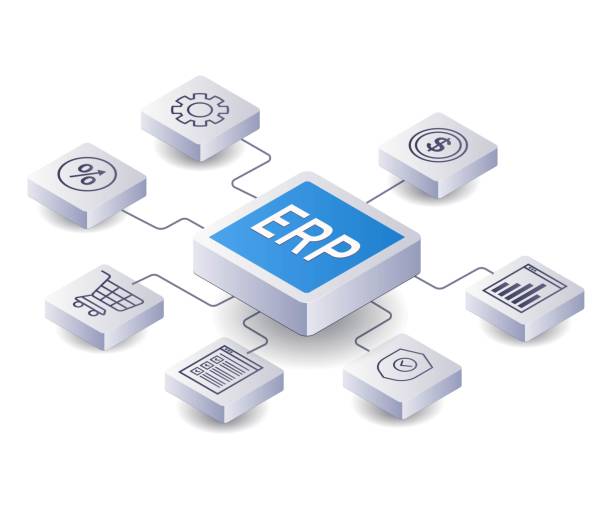
How ERP Software Improves Production Planning and Control

Successful production planning and control are major factors in maintaining profitability, satisfying customers, and competing against other companies. As businesses expand and make relationships more complicated, old-school planning practices—like spreadsheets or single-purpose apps—come up short. Here’s where Enterprise Resource Planning (ERP) software comes into play. Combining all aspects of the production process for a company into a centralized system, ERP software can enable manufacturers to enhance efficiency, visibility and other important factors to strategic decision making.

In this article to approach how ERP software enhances Production Planning and Control here are few reasons why it’s indispensable for every manufacturing business in today’s world.

1. Centralized Real-Time Data for Better Decision-Making

Fragmented information is one of the worst thing in production. When data is fragmented across systems or departments, decisions also become sluggish and unreliable. ERP software solves this problem by consolidating all of the key production information—inventory levels, machine capacity, and labor availability, order statuses—in one place.

When planners and managers have visibility to live data, demand can be forecasted more easily, resources assigned and workload planned properly. Well timed availability of reliable data ensures that production schedule meets company objectives and market demand.

2. Enhanced Production Scheduling and Workflow Management

Manual scheduling can lead to errors, delays, and inefficient resource utilization. ERP software provides intelligent scheduling tools that automate and optimize the planning process. These tools consider various factors such asMaterial availability

  • Machine capacity
  • Workforce skills and availability
  • Order priority
  • Lead times

By analyzing these parameters, the system generates realistic and achievable production schedules. Additionally, ERP-driven workflow management ensures that each department is aware of its tasks, deadlines, and dependencies, resulting in smoother operations and fewer bottlenecks.

3. Seamless Materials and Inventory Management

Production can be seriously affected if there is a shortage of materials or overstock of inventory. ERP systems integrate production planning to inventory management making sure the balance is right. Such features as automated reorderpoints, stock monitoring and purchase planning make certain that materials are pinpoint right on time.

Accurate inventory tracking enables businesses to lower carrying costs, avoid stockouts and minimize waste. This effectively will result in better continuity of production, and fewer instances when last minute purchasing is required which often leads to a costly inefficient purchase.

4. Better Resource Allocation and Capacity Planning

Efficient use of resources A key to success for maximum productivity at minimum total cost. ERP software enables manufacturers to assess machine, labour and production line capacities. From that picture, planners can see which resources are being underutilized or which departments are used the most.

They’re used for balancing work allocation to reduce production bottlenecks, and prevent employee burnout. This is how the entire production unit will be in ideal working condition, yet flexible enough to meet changing fluctuating demand.

5. Improved Quality Control and Compliance

Consistent product quality should be maintained for customer satisfaction as well as regulatory purpose. Quality Control ERP systems help to track and collect data on the production process. Quality control may be built into processes to guarantee that no batch or item advances until it has been checked.

ERP systems also capture extensive information on materials, processes and test outcomes. This documentation assists in identifying the cause of defects, correcting them, and verifying that industry standards are met. Manufacturers can increase product quality and reduce rework or rejection rates through better traceability and reporting.

6. Real-Time Monitoring and Performance Tracking

ERP software provides dashboards and analytical tools that help monitor production performance in real time. Managers can track key metrics such as:

Production output

Downtime

Efficiency rates

Order progress

Scrap and waste levels

With this visibility, decision-makers can respond quickly to unexpected issues, adjust production schedules, and optimize processes. Data-driven insights also support continuous improvement initiatives, enabling organizations to identify trends and implement long-term solutions.

7. Greater Collaboration Across Departments

Production planning is often a multidepartmental process, including functions like purchasing, sales, warehousing and finance. These departments do not work in tandem, leading to communication gaps and lags being the norm. Collaboration is made possible through ERP solution as it allows all concerned to work on the same source of information.

For instance, sales staff can grasp the production capacity in advance before they confirm their delivery commitment, and procurement team can plan to make materials according to scheduled orders. This alignment provides a platform for fewer points of conflict, better communication and overall greater workflow coordination through the organization.

8. Cost Reduction and Increased Profitability

Enterprises benefit from lower operational costs through optimizing production, inventory management and resource distribution while reducing waste with an ERP system. Inefficiencies and errors can be removed from the process, and workflow itself can be streamlined which all increase profitability.

It also helps to improve the production planning resulting in experience timely delivery, improved customer satisfaction and good sustain quality at competitive advantage.

Conclusion

ERP software is transforming the way manufacturing companies plan and control their production processes. It brings together all essential functions—inventory, scheduling, quality control, resource planning, and reporting—under a unified system. The result is improved efficiency, reduced costs, and enhanced customer satisfaction.

As the manufacturing landscape becomes increasingly dynamic and competitive, adopting ERP software is no longer optional but a strategic necessity. Companies that invest in ERP-driven production planning and control are better equipped to adapt to changing market demands, achieve operational excellence, and drive long-term growth.


 

Why Engineering Firms Are Turning to Specialised ERP Systems for Competitive Advantage

Successful production planning and control are major factors in maintaining profitability, satisfying customers, and competing against other companies. As businesses expand and make relationships more complicated, old-school planning practices—like spreadsheets or single-purpose apps—come up short. Here’s where Enterprise Resource Planning (ERP) software comes into play. Combining all aspects of the production process for a company into a centralized system, ERP software can enable manufacturers to enhance efficiency, visibility and other important factors to strategic decision making.

In this article to approach how ERP software enhances Production Planning and Control here are few reasons why it’s indispensable for every manufacturing business in today’s world.

1. Centralized Real-Time Data for Better Decision-Making

Fragmented information is one of the worst thing in production. When data is fragmented across systems or departments, decisions also become sluggish and unreliable. ERP software solves this problem by consolidating all of the key production information—inventory levels, machine capacity, and labor availability, order statuses—in one place.

When planners and managers have visibility to live data, demand can be forecasted more easily, resources assigned and workload planned properly. Well timed availability of reliable data ensures that production schedule meets company objectives and market demand.

2. Enhanced Production Scheduling and Workflow Management

Manual scheduling can lead to errors, delays, and inefficient resource utilization. ERP software provides intelligent scheduling tools that automate and optimize the planning process. These tools consider various factors such as:Material availability

  • Machine capacity
  • Workforce skills and availability
  • Order priority
  • Lead times

By analyzing these parameters, the system generates realistic and achievable production schedules. Additionally, ERP-driven workflow management ensures that each department is aware of its tasks, deadlines, and dependencies, resulting in smoother operations and fewer bottlenecks.

3. Seamless Materials and Inventory Management

Production can be seriously affected if there is a shortage of materials or overstock of inventory. ERP systems integrate production planning to inventory management making sure the balance is right. Such features as automated reorderpoints, stock monitoring and purchase planning make certain that materials are pinpoint right on time.

Accurate inventory tracking enables businesses to lower carrying costs, avoid stockouts and minimize waste. This effectively will result in better continuity of production, and fewer instances when last minute purchasing is required which often leads to a costly inefficient purchase.

4. Better Resource Allocation and Capacity Planning

Efficient use of resources A key to success for maximum productivity at minimum total cost. ERP software enables manufacturers to assess machine, labour and production line capacities. From that picture, planners can see which resources are being underutilized or which departments are used the most.

They’re used for balancing work allocation to reduce production bottlenecks, and prevent employee burnout. This is how the entire production unit will be in ideal working condition, yet flexible enough to meet changing fluctuating demand.

5. Improved Quality Control and Compliance

Consistent product quality should be maintained for customer satisfaction as well as regulatory purpose. Quality Control ERP systems help to track and collect data on the production process. Quality control may be built into processes to guarantee that no batch or item advances until it has been checked.

ERP systems also capture extensive information on materials, processes and test outcomes. This documentation assists in identifying the cause of defects, correcting them, and verifying that industry standards are met. Manufacturers can increase product quality and reduce rework or rejection rates through better traceability and reporting.

6. Real-Time Monitoring and Performance Tracking

ERP software provides dashboards and analytical tools that help monitor production performance in real time. Managers can track key metrics such as:

  • Production output
  • Downtime
  • Efficiency rates
  • Order progress
  • Scrap and waste levels

With this visibility, decision-makers can respond quickly to unexpected issues, adjust production schedules, and optimize processes. Data-driven insights also support continuous improvement initiatives, enabling organizations to identify trends and implement long-term solutions.

7. Greater Collaboration Across Departments

Production planning is often a multidepartmental process, including functions like purchasing, sales, warehousing and finance. These departments do not work in tandem, leading to communication gaps and lags being the norm. Collaboration is made possible through ERP solution as it allows all concerned to work on the same source of information.

For instance, sales staff can grasp the production capacity in advance before they confirm their delivery commitment, and procurement team can plan to make materials according to scheduled orders. This alignment provides a platform for fewer points of conflict, better communication and overall greater workflow coordination through the organization.

8. Cost Reduction and Increased Profitability

Enterprises benefit from lower operational costs through optimizing production, inventory management and resource distribution while reducing waste with an ERP system. Inefficiencies and errors can be removed from the process, and workflow itself can be streamlined which all increase profitability.

It also helps to improve the production planning resulting in experience timely delivery, improved customer satisfaction and good sustain quality at competitive advantage.

Conclusion

ERP software is transforming the way manufacturing companies plan and control their production processes. It brings together all essential functions—inventory, scheduling, quality control, resource planning, and reporting—under a unified system. The result is improved efficiency, reduced costs, and enhanced customer satisfaction.

As the manufacturing landscape becomes increasingly dynamic and competitive, adopting ERP software is no longer optional but a strategic necessity. Companies that invest in ERP-driven production planning and control are better equipped to adapt to changing market demands, achieve operational excellence, and drive long-term growth.

The Future of ERP Software and the Role of Generative AI

Enterprise Resources Planning (ERP) software has been a digital backbone of the modern organizations and has been used to integrate different functions of the business into one system. ERP systems have helped companies to simplify their business operations, enhance efficiency, and make intelligent decisions using real-time data from the finance, human resources, supply chain management, and production sectors.

The business world is however evolving at an unimaginable rate. With the dynamic markets and an increasing number of customers with intricate demands, and data, which is increasing exponentially, the old forms of ERP systems are challenged. Generative Artificial Intelligence (AI) is an opportunity to transform the very principles of the ERP systems to a point where they go beyond being automated and become intelligent in collaboration and decision making.

This blog examines how Generative AI is transforming the definition of ERP systems, the possibilities and risks, and what the future could be like to enterprises that adopt this very transformative technology.

Understanding ERP Evolution

ERP software is no longer in its infancy as it was way back in the late 20 th century. The first ones were systems that concentrated on inventory management and manufacturing resource planning, which eventually transformed to a full-fledged business management solution.

The current ERP systems combine various departments and functions within one digital ecosystem and grant visibility, consistency, and control. They enable organizations to address all their processes such as procurement and production, payroll and compliance in an interconnected module.

However, most ERP systems are still too reactive and not proactive, in spite of their sophistication. They are also based on hard data sources and hard-code processes. Although automation has eliminated human effort, decision-making remains an activity that requires a human being and human analysis.

There is where Generative AI comes in the picture, as it allows ERP systems not only to analyze data but also to produce insights, predictions and strategies in real-time.


What Is Generative AI and Why It Matters for ERP

Generative AI is a type of artificial intelligence that is capable of generating new texts, concepts and solutions based on the existing data. Contrary to the classical AI models that are able to identify trends or draw categories, Generative AI is able to produce human responses, write draft documents, create solutions, and even give a simulation of the consequences of decision making.

In the context of ERP software, Generative AI can:

  • Analyze large volumes of structured and unstructured data from across the enterprise.
  • Generate reports, summaries, and recommendations automatically.
  • Predict potential business challenges or opportunities.
  • Facilitate human-like interactions through conversational interfaces.
  • Support decision-making by simulating different business scenarios.

How Generative AI Is Transforming ERP Systems

1. Intelligent Data Interpretation and Reporting

Automated interpretation of data is one of the most effective uses of Generative AI in ERP systems. Rather than manually analyzing data or using static dashboards to analyze it, AI models can process massive amounts of data in real-time and produce a narrative to explain important trends, anomalies, and suggestions.

As an example, a finance manager may query the ERP system, i.e., why has our revenue decreased by last 3 months and will get a full answer including visualization of data and a bigger picture. This lessens the process of manual reporting and helps the decision-makers concentrate on the strategic moves as opposed to data collection.

2. Predictive and Prescriptive Insights

The legacy ERP systems were giving past data and poor predictions. Generative AI transforms ERP software into a predictive and prescriptive one.

 AI-driven predictive analytics has the capability to predict a sales trend, demand, or supply chain disruption using real-time data. Prescriptive capabilities go a step further and suggest the optimal things that can be done so as to maximize the outcomes, be it scheduling of production, budgeting placement or staffing.

This move helps organizations take steps ahead of time thereby minimizing risks and grabbing opportunities before they occur in full form.

3. Conversational Interfaces and Natural Language Processing (NLP)

The combination of the natural language processing enables a user to communicate with the ERP systems in a way that he or she could be communicating with a human expert. Employees do not have to go through complicated dashboards; they can just type or voice queries like, “Display the top five customers that made purchase this month by revenue or create a purchase order of raw materials.

This renders the ERP software more available and user-intuitive, lowering the learning curve and promoting the use among the various departments. It also enables non-technical employees to utilize the maximum power of enterprise data without having to have high capabilities of analysis.

4. Automation of Complex Workflows

Generative AI over and above the automation through the already existing ERP systems introduces an intelligent layer on the automation. It is able to derive context, make adjustments to previous decisions and adjust finely without the need to be explicitly programmed.

As an example, artificial intelligence can automatically authorize low risk transactions, create compliance records, or even make workflows that are optimized, taking into account performance history. The system is more efficient with time as it keeps learning through user interactions and results.

5. Enhanced Customization and Adaptability

All organizations work in different ways and one of the most significant issues of ERP implementation has been customization. This is dealt with by generative AI by automating personalization.

AI models have the ability to study business processes, detect inefficiencies, and propose changes in the configuration of the system to align the ERP system with the specific requirements of a company. This significantly saves on time and cost of customization and updating the system.

ERP systems may develop in the future as self-optimizing systems and adapt their own workflows as business conditions evolve.

6. Strengthening Decision-Making and Strategic Planning

The executives can be in a situation where they need to make decisions of high stakes involving incomplete or even old data. Generative AI gives decision-makers the power to simulate different situations, e.g., expansions of the market, pricing, or supply-chain changes, and forecast the likely results.

This feature will enable the ERP system to be a decision intelligence platform and the leaders can evaluate risks, test hypotheses, and formulate informed strategic decisions based on data-driven simulations.

Benefits of Generative AI-Driven ERP Systems

The convergence of Generative AI and ERP technology brings several tangible benefits:

  • Increased efficiency: Automation of manual tasks frees employees to focus on innovation and problem-solving.
  • Improved accuracy: AI-driven data analysis minimizes human error and enhances reporting precision.
  • Real-time decision support: Predictive and prescriptive analytics provide timely insights for better decision-making.
  • Enhanced collaboration: Natural language interfaces make it easier for teams to share data and insights seamlessly.
  • Scalability: AI models enable ERP systems to adapt dynamically as organizations grow or pivot.
  • Reduced costs: Intelligent process optimization lowers operational costs and improves resource utilization.

Challenges and Considerations

Despite its promise, integrating Generative AI into ERP systems is not without challenges.

1. Data Privacy and Security: AI models rely on large datasets, which may include sensitive business information. Ensuring data governance and compliance with privacy regulations is critical.


2. Ethical Use of AI: As AI systems gain autonomy, organizations must establish ethical guidelines to prevent biased or unethical decision-making.


3. Implementation Complexity: Integrating AI into existing ERP frameworks requires technical expertise and change management to ensure smooth adoption.


4. User Trust and Training: Employees may initially resist AI-driven changes, fearing job displacement or system errors. Building trust through transparency and proper training is essential.

The Road Ahead: What the Future Holds

The intelligence, adaptability, and autonomy will characterize the future of the ERP software. With the ongoing development of Generative AI, the ERP systems will change their role as data management tools and become strategic allies in business expansion.

We can expect future ERP solutions to feature:

  • Continuous learning capabilities that allow systems to adapt to market dynamics automatically.
  • Augmented decision-making tools that combine human judgment with AI-generated insights.
  • Seamless integration with IoT, blockchain, and cloud technologies to create a unified digital ecosystem.
  • Hyper-personalized user experiences, where the ERP interface adapts to each user’s role and behavior.

Conclusion

The generation of AI into ERP software is the start of a new dawn in managing enterprises. It is starting to replace the previously non-dynamic system of record with a dynamic, intelligent platform that can learn, reason and collaborate with humans.

Those organizations that absorb this change will be able to have a competitive advantage, they will be more nimble, visionary, and efficient. Although privacy concerns like data security and ethical use of AI are issues that should be handled with caution, the possibilities greatly surpass the dangers.

Generative AI will reshape the business planning, operations, and growth in the next few years. The future of ERP will not merely be the management of resources it will enable intelligence where data will be turned into strategy and success.


How to Calculate ERP ROI and Why It’s Worth the Investment

The current competitive business environment is all about efficiency, agility, and precision of the data to be successful. Enterprise Resource Planning (ERP) systems are at the heart of fulfilling these aspirations since all significant business processes are unified into one platform that is simple to use across the board.

However, before coming up with such a radical solution; the question of every decision-maker concerned is always a critical one; What is the amount of a return on investment (ROI) we would receive and would it really be worth it?

Knowing how to arrive at ERP ROI and understanding of why it is a strategic long term investment can enable organizations to make sound and well informed decisions which are in tandem with their long term growth goals.

Understanding ERP and Its Strategic Importance

ERP systems put in place all key business processes like finance, supply chain, manufacturing, human resource and customer management under a common umbrella. Such single structure enables teams to have a cohesive real-time information on interdepartmental basis, eliminating duplication and errors.

Rather than operating in silos and working with distinct systems, the ERP software offers one source of truth. The outcome is the efficiency is enhanced, cooperation is improved and the decision-making process is accelerated. In addition to operational gains, ERP increases the visibility of the entire organization leading to the ability of the leaders to plan, forecast and implement strategies with greater confidence.

Why Calculating ERP ROI Matters

Implementing an ERP system is not a minor upgrade—it’s a major strategic move that impacts budgets, resources, and workflows. Calculating ROI ensures that the decision to invest is supported by measurable value and aligned with the company’s vision.

Conducting a clear ROI analysis helps businesses:

  • Quantify measurable benefits: Identify how much efficiency, productivity, and financial performance can improve. 
  • Justify the investment: Provide stakeholders with transparent data to support the decision. 
  • Pinpoint risk and opportunity areas: Highlight where the system can deliver the highest impact. 
  • Set realistic expectations: Establish clear goals and timelines for measurable outcomes. 

Key Factors That Influence ERP ROI

An ERP system has a balance between cost and benefits provided to the company over time according to the ROI of an ERP system. In assessing this, it is important to consider tangible and intangible aspects that add value to the business at large.

1. Direct Costs

These are the most visible expenses involved in implementing an ERP solution, such as:

  • Software licensing or subscription fees 
  • Infrastructure or cloud hosting costs 
  • Implementation and consulting services 
  • Data migration and integration 
  • Employee training and change management 
  • System support and maintenance 

2. Indirect Costs

While not always easy to measure, these costs can still impact ROI:

  • Reduced productivity during the transition phase 
  • Time invested by employees in system testing and adaptation 
  • Temporary process disruptions during deployment 

3. Tangible Benefits

These benefits can be clearly measured in financial terms and usually appear soon after implementation:

  • Decrease in administrative and manual processing time 
  • Reduced inventory and supply chain costs 
  • Higher order accuracy and on-time delivery rates 
  • Shorter production and financial reporting cycles 
  • Improved cash flow and resource utilization 

4. Intangible Benefits

Although harder to quantify, these long-term advantages are equally valuable:

  • Enhanced data accuracy and visibility 
  • More informed and faster decision-making 
  • Improved customer satisfaction and retention 
  • Greater compliance and audit readiness 
  • Scalability to support future growth 

A Practical Approach to Calculating ERP ROI

Calculating ERP ROI is about more than just crunching numbers. It’s a process of defining goals, identifying value areas, and evaluating both immediate and long-term impact.

Step 1: Define Objectives and Key Metrics

Begin by identifying your goals of what you want the ERP system to accomplish. Are you looking to save money, become more efficient or have better data accuracy? Next to every goal, identify specific performance targets which can be measured, e.g. order processing faster, operational errors reduced, or the accuracy of forecasts improved.

Step 2: Identify and Estimate Costs

Compile all direct and indirect costs related to ERP implementation. Include everything from licensing and consulting fees to employee training and maintenance. This forms your total cost of ownership (TCO).

Step 3: Assess Measurable Benefits

Second, consider where the improvements will be realized by the ERP system. This may involve cost savings, time savings or productivity. As an example, in case automation will reduce the work in data entry by a considerable percentage, then figure out the time and money saved each year.

Additionally, consider possible increase in revenue due to enhanced forecasting, inventory management and enhanced customer service.

Step 4: Analyze the Payback Period

The payback period is used to determine the time in which your business will make back its initial investment using the returns made by the ERP system. The payback is shorter, and hence the value is realized faster. It can be realized in a period of two to three years depending on the size and the complexity of the operations of the most organizations.

Common Mistakes in ERP ROI Analysis

Calculating ROI for ERP requires accuracy and foresight. However, many companies make errors that lead to misleading conclusions. Here are some common pitfalls to avoid:

1. Overlooking intangible benefits: Not everything that adds value can be immediately measured in financial terms.


2.Underestimating change management: Without proper training and communication, employee resistance can delay results.


3. Ignoring post-implementation analysis: ROI should be reviewed regularly to track actual outcomes versus initial projections.


4. Failing to plan for scalability: ERP systems that can grow with your business often yield higher returns over time.


Avoiding these mistakes ensures your ROI analysis paints a realistic and complete picture of ERP’s value.

Why ERP Investment Is Worth It

Despite the initial cost and effort, ERP systems consistently deliver substantial long-term benefits for organizations that approach implementation strategically. Here’s why the investment is worth considering:

1. Streamlined Business Processes

ERP increases efficiency and decreases operational costs through the automation of workflows and removal of unnecessary processes. It takes fewer resources and time to have the teams accomplish more work.

2. Data-Driven Decision-Making

With real-time insights and analytics, leaders gain a clear view of performance across all departments. This enables proactive planning and more confident decision-making.

3. Increased Productivity

Automation frees employees from repetitive tasks, allowing them to focus on value-adding activities that support growth and innovation.

4. Enhanced Customer Experience

Accurate order tracking, timely delivery, and improved communication all contribute to stronger customer satisfaction and loyalty.

5. Long-Term Scalability

ERP solutions are designed to evolve with your business. As your organization expands, the system can easily adapt to new locations, users, and business requirements, ensuring long-term stability.

Final Thoughts

ERP ROI is not an exercise but a strategy of how technology is going to help your business. ERP implementation may have numerous impacts which can be evaluated using cost, benefits and long term value which can give a clear picture of the true impact of ERP implementation.

 ERP can enhance not only better processes when implemented properly, but also enhance your firm in a competitive environment, which is now digital-first. The investment does not only pay off in quantifiable financial benefits but also in improved collaboration, transparency and future-readiness.

Smart Business Synergy: Chatbot Integration with CRM Systems

The contemporary dynamic and fast-paced digital market is full of businesses who are always in search of new methods of augmenting customer experiences as well as streamlining their operations. The introduction of chatbots and Customer Relationship Management (CRM) systems integration is one of the recent technological accomplishments with the most significant impact. This combination does not only automate the communication process but also establishes a smooth linkage between the communication with the customers and the business data. Developing awareness of the advantages, mechanism, capabilities and prices of chatbot-CRM assimilation can contribute to organizations to make reasonable decisions and attain competitive edge.

Understanding Chatbot and CRM Integration

A chatbot is an artificial intelligence-based application that is used to imitate the human dialogue with users via text or voice. Instead, a CRM system is made up of customer information, sales data and interaction history being stored and managed. When the two systems are combined, the chatbot will also work as a smart assistant, being able to access CRM data to provide personalized answers, gather customer feedback, and automatically update records.

Such integration will make all customer interactions meaningful, efficient, and data-driven, which will ultimately enhance the engagement and retention.

Key Benefits of Chatbot Integration with CRM

1. Enhanced Customer Experience

The personalized and immediate responses can be achieved by integrating chatbots with CRM. The chatbot is able to access previous interactions, preferences and purchase history because of which it may customize its responses to each customer needs, which makes the experience of using it more engaging and satisfying.

 2. 24/7 Customer Support

Businesses do not need human agents to provide 24-hours of service. The chatbot is also effective at dealing with frequent inquiries, booking appointments, and tracking issues, which provides the customers with 24-hour support.

3. Streamlined Lead Management

An interactive chatbot that is connected to CRM can automatically qualify lead by gathering the information, processing customer intent, and sending the possible leads to the sales team. Such automation saves on manual labor and accelerates sales.

4. Improved Data Accuracy

The entry of data manually brings about inconsistencies and errors. Chatbots automatically store and update customer information in the CRM system so that such data is always correct and current.

5. Cost Efficiency

Automation also ensures that there is minimal human intervention, cost of labor is minimized and the level of productivity is still high. This performance enables companies to expand customer service without any major financial additions.

6. Valuable Analytics and Insights

With the help of the data in chatbots interaction and CRM analytics, companies will be able to learn more about the customers and their behavior, preferences, and pain points. This knowledge can then be used in marketing, product development and service improvement initiatives.

The Integration Process

There are a number of systematized steps in implementing a chatbot with a CRM system so that both the functionality and the data synchronization could be organized efficiently:

  1. Define Objectives – Identify what goals you want to achieve, such as improving customer service, generating leads, or enhancing data accuracy.

  2. Choose the Right Chatbot Platform – Select a chatbot framework that supports CRM integration and can handle the required data securely.

  3. Map Data and Workflows – Determine how the chatbot will interact with CRM data, including what information it can access, modify, or record.

  4. Develop and Train the Chatbot – Create conversation flows and train the chatbot using relevant datasets to ensure it understands customer intents accurately.

  5. Integrate with CRM APIs – Use secure APIs to connect the chatbot with the CRM system, enabling real-time data exchange.

  6. Testing and Optimization – Conduct extensive testing to identify issues, validate workflows, and optimize for performance.

  7. Deployment and Monitoring – Once launched, monitor performance regularly and make adjustments based on analytics and feedback.

Essential Features of a CRM-Integrated Chatbot

  • Natural Language Processing (NLP): Enables the chatbot to understand and respond naturally to user input.

  • Personalized Responses: Uses CRM data to customize replies based on the user’s profile.

  • Multi-Channel Support: Operates seamlessly across websites, messaging apps, and social media platforms.

  • Automated Data Updates: Syncs customer interactions and updates directly into the CRM.

  • Analytics Dashboard: Provides insights into customer engagement and chatbot performance.

  • Lead Qualification: Identifies potential leads through predefined conversation flows.

  • Escalation to Human Agents: Transfers complex queries to human representatives when necessary.

Cost Considerations

Depending on a number of factors such as chatbot complexity, customization requirements, data volume and scope of integration, the cost of integrating a chatbot with a CRM will depend. Basic integrations can be applied by small businesses at a relatively low price, whereas the larger businesses with sophisticated artificial intelligence and the ability to connect to multiple channels can spend considerably more. The total cost of ownership should also include ongoing costs like maintenance, updates and training of AI models.


Conclusion

Chatbot integration with CRM systems is not something that exists in the future anymore, it is a business need. This synergy enables organizations to give superior customer services, stream work process, and easily make decisions that are data driven. Regardless of whether a business seeks to improve customer interaction or strives to streamline operations, using this integration is a path of strategic moves toward a smarter and more connected future.

Optimizing E-Commerce Success: How ERP Integration Transforms Online Store Operations

Operating a webstore today presents a blend of opportunities and difficulties. For one, niche marketing or e-commerce websites help local businesses engage customers and expand their reach. Meanwhile, without proper systems, inventory tracking, finishing payment processing, shipping, and other operations can become daunting quite rapidly. This is the exact problem solved by enterprise resource planning (ERP) integrations. ERP solutions offer a single system that combines all auxiliaries of e-commerce, enabling inventory and order management, customer and payment processing, and shipping systems to work in tandem, thereby reducing the complexities of online commerce.

In this article, we shall delve into the ways ERP integration enhances the functioning of webstores, look at the major advantages to webstore owners, and take a glimpse at the trends that define the future of retail commerce.

Why ERP Matters for Online Stores

At the beginning, a brand new e-commerce platform primarily needs a website builder, a payment processor, and maybe a couple of shipping or marketing apps. The toolkit is short and quite simple. But as the business begins to grow, a bunch of tools does not help at all. The continuous increase of the tools, coupled with the lack of integration between the tools, often leads to an excessive number of tools, which results in the following:

  • Inventory mismatches: Stock levels don’t update in real time, leading to overselling or out-of-stock issues.

  • Order delays: Manual processes slow down fulfillment.

  • Customer frustration: Poor communication and tracking hurt brand reputation.

  • Operational silos: Marketing, sales, finance, and logistics teams lack visibility into shared data.

An ERP system eliminates these bottlenecks by consolidating everything into a single, integrated platform. It connects your store’s front-end with back-end operations, ensuring every department works from one source of truth.

Streamlined Inventory and Product Management

Effective inventory management is essential for seamless operations in the field of e-commerce. An ERP system integration provides real-time data on inventory levels from all sales channels such as your online store, online marketplaces, and physical stores. This not only helps minimise inventory discrepancies and improves overall inventory forecasting but also automates the stock replenishment process.

Furthermore, ERP systems improve product management by providing a single interface for managing product catalogues, pricing, and product variants. Any change made in the system is reflected in all sales channels, thereby saving time and reducing errors in updates.

Seamless Order Processing and Fulfillment

Quick, correct deliveries uphold the brand and their speedy, accurate deliveries mark the quickest way to gain customer loyalty. With ERP integration in place, every order is processed automatically. Invoices are swiftly created, orders are immediately recorded, and shipping labels are produced—all without manual work.

With delivery and fulfilment, there is an improvement in the workflows. Now, there is no need to manually choose a warehouse or delivery partner; the system does it based on the location and availability. Customer updates help in reducing delivery time. On top of that, operational costs are cut and customers are happy because of the timely updates.

Smarter Customer Relationship Management

Behavior analysis of customers is an ever-so-important variable in the growth of any enterprise within the competing domains of E-commerce. An ERP software is an integrated solution that is equipped with an inbuilt customer relationship management (CRM) application that will gather all the information of the customer, their past orders, and even their interactions in a single platform.

With this feature, a business can take full advantage of their marketing strategies and promotions along with the support systems. Recommending a relevant product or offering a discount to a customer because of their past purchases adds value to the customer, hence increasing the chances of more sales and better loyalty for the business.

Financial Clarity and Compliance

When conducted on different platforms, refunds, payments, and taxes can be difficult to handle. An ERP system with an accounting module and a payment gateway simplifies accounting. It provides single-platform access and gives integrated access to different functional modules of a business. Transactions in an ERP system are performed on real-time basis and thus every transaction is recorded as it occurs, avoiding double entries.


Furthermore, ERP systems are a great assistance in ensuring that a business is in compliance with tax laws, as they automatically calculate the tax to be paid under different jurisdictions. This helps save a lot of time, eliminates a lot of errors, and saves the business from incurring very heavy fines.

Data-Driven Insights for Growth

Just looking at numbers isn’t helpful. The true value of data is its application. When effective metrics are set, the proprietors of e-commerce companies do not need to monitor their sales patterns, pick the best-selling products, track the customer acquisition costs, or the conversion rates. Instead, the relevant analytics and KPIs are delivered to them from the tools and dashboards.

With this data, a company is able to adapt a working marketing plan, recalibrate its marketing spend, and reactively respond to new growth opportunities for the business. Instead of estimating, data is able to steer the business plan.

Emerging Trends in ERP for E-Commerce

As digital commerce evolves, so does ERP technology. Here are some trends shaping the future:

  1. Artificial Intelligence (AI) and Automation
    The change in how demand is forecasted, recommendations are tailored, and supply chains are optimized is driven by AI features in ERP platforms. The multitasking of intelligent automation and its reduction in manual tasks adds to the increase in accuracy across the processes.

  2. Omnichannel Integration
    Consumers expect to have merchandise accessible to them, purchasable on the internet, via mobile apps, and various retail outlets. To integrate selling channels holistically, an ERP needs to maintain consistent product stock and prices for every retail and inquiry terminal.
  3. Cloud-Based Solutions
    What makes cloud ERP a preferred choice among fast-scaling e-commerce companies? Cloud ERP drives growth by lowering cost concerns, supports mobile business access, and enhances decision-making with instantaneous analytics.

  4. Mobile Accessibility
    As the days go by, business owners and managers are more inclined to remotely monitor their operations. ERP systems, in their modern form, provide mobile applications for checking sales, inventory, and reports instantaneously.

  5. Enhanced Security
    These days, virtually every brand has a chance of coming into contact with cyber threats. The brands that use ERP systems are especially vulnerable, and are giving more attention to the protection of critical customer and financial data. There’s greater implementation of data encryption and multi-factor authentication, as well as updating of systems in a timely manner, to help achieve this aim.

Final Thoughts

Efficiency is a must these days, especially in e-commerce. ERP integration allows ecommerce stores to ditch the patchwork of software and manual processes, seamlessly uniting every function. With inventory management, order processing, customer relations, and even financial reporting handled under one roof, ERP systems provide the speed, precision, and business intelligence that companies aspire to in order to grow.

With the rise of AI, cloud technology, and omnichannel retail, ERP investment is not a competitive advantage—it’s a requirement for continuing achievement in digital retail. E-commerce business owners now have the opportunity to give less attention to petty worries, thanks to integrated systems, and more attention to what customers truly desire from the brand, and to brand expansion.


CRM and ERP Integration: Key Benefits, Common Challenges, and Best Practices for Seamless System Integration

Marketing and customer relations have always been front and center for business strategy for revenue generation. On the other hand, the shift in the digital business environment points toward more efficiency-oriented and customer-centric approaches as keys to growth. Companies must rely increasingly on technology to carry out the business operations or to even deliver these services to the customers. CRM and ERP have been two such topics of discussion amongst the circles. While regional constraints are visible by accounts of either CRM or ERP systems, their integration can provide a secondary leverage with amplified operational efficiency, visibility, and enhanced customer satisfaction.

This blog explains the benefits, challenges, and best practices involved in integrating CRM and ERP systems, giving businesses an understanding of how to approach the business-transforming initiative.

What is CRM and ERP Integration?

CRM software is used for handling business interactions with current and potential clients. The solution serves to streamline sales promotion activities and customer service operations while giving insight into customer behavior and sales performance.

An ERP system, responsible for managing core business functions, may include finance, inventory, HR, procurement, and supply-chain operations. ERP thus provides a unifying view of the internal process and resource allocation.

Integrating CRM and ERP refers to linking the two so that information flows smoothly and efficiently in order to have one platform. With such integration, the customer-facing teams would view real-time information from within back-office departments and the back-office departments in turn would view real-time information from within the customer-facing teams. Thus, better decision-making and workflows take place.

Key Benefits of CRM and ERP Integration

1. Improved Data Accuracy and Accessibility

Integration of CRM and ERP systems in practice destroys data silos by allowing information to flow from one department into another. To cite an example, when a salesperson looks at a contact record in the CRM, she can simultaneously see the level of inventory in real-time in the ERP, price, and transaction history. It is very important for the entire organization to operate on current and consistent data.

2. Enhanced Customer Experience

While customers expect personalized and timely interactions, customer service executives and sales teams can get into a tizzy if they are not able to pull relevant information together on the customer using integrated systems. Complete customer profiles include purchase history, support tickets, and payment status. That means quicker response and more personalized approach toward the customer, which improves customer satisfaction and loyalty.

3. Streamlined Business Processes

Integration diminishes manual data entry and permits the automation of monotonous tasks such as order processing, invoice generation, and lead updating. Thus, integration saves time with fewer errors by persons. The moment an order is registered in the CRM, this event will automatically act as a trigger to enable the ERP to undertake an operation such as an inventory update or billing.

4. Better Sales and Financial Forecasting

Real-time operational data available from ERP is merged with customer insights available from CRM for more precise sales forecasting: businesses use this to track sales trends, study customer buying behavior, and carry out financial planning aligned to market demand.

5. Increased Productivity

Departments can coordinate much better when working together from a single synchronized system. Employees spend less time hopping back and forth between tools to either re-input data or confirm information. This efficiency allows the teams more time for strategic initiatives and less for the administration of those things.

Challenges in CRM and ERP Integration

While the benefits are compelling, integration is not without its challenges. Companies must be prepared to address these common issues:

1. Complexity of Systems

Various vendors often offer ERP and CRM systems while presenting a varying architecture. Integration requires particular technical skills and can be very time-consuming when working with a legacy-type system that either has an outdated API or limited support for inter-op.

2. Data Migration Risks

In the innumerable processes of a company, data consolidation from two separate systems raises the risk of data loss, duplication, or corruption. Whatever occurs during and after migration of data, during synchronization, integration therefore must remain precisely concerned about the preservation of data integrity.

3. High Initial Investment

Larger integration offers the chance for cost savings in the long term, although the initial implementation could generate high expenditures: the customizations in software, development resources, integration tools, or even staff training.

4. Resistance to Change

Having conventional ones, a system integrating these might face resistance from end users who want to keep their familiar workflows. For the smooth adoption of change, proper change management and user training must be afforded with higher priority—anything that can disrupt service has to be avoided.

5. Ongoing Maintenance

Post-integration, continuous monitoring, updating, and maintenance need to be carried out. Any updates to the CRM or ERP can disrupt the integration under any missed management, and hence the IT teams need to be as vigilant.

Best Practices for Successful Integration

To ensure a smooth and successful CRM-ERP integration, businesses should follow these best practices:

1. Define Clear Objectives

Begin by listing goals for integration. Perhaps the intention is to optimize sales processes, reduce order processing time, or improve reporting. Having a concrete vision on all these aspects would make it easier to drive the integration and measure its success.

2. Choose the Right Integration Method

There are several ways to integrate CRM and ERP systems:

  • Point-to-point integration: Directly connects the two systems. Suitable for small businesses with limited needs. 
  • Middleware integration: Uses a third-party tool or platform as a bridge. This facility and scalability are two of the many advantages.
  • Custom APIs: Ideal for complex integrations that require a lot of customization, but also much more expensive and time-consuming.

Choose the method that aligns with your business size, budget, and technical capabilities.

3. Ensure Data Standardization

Pre-integration data cleaning and standardizing must occur. Tackle any discrepancies in formats, naming conventions, or duplications, as these create avoidable issues. It is important to draw up data governance policies to ensure standards are met universally.

4. Engage Stakeholders Early

Include users from various departments—sales, finance, IT, and customer service—in planning. Their knowledge may help to design workflows and highlight potential stumbling groups that may not be initially obvious for IT alone.

5. Focus on Security and Compliance

Integrated systems handle sensitive customer and business data. Ensure your integration complies with relevant data protection regulations (GDPR, for a case) and adheres to other security best practices, like role-based access and encryption, for instance.

6. Pilot Before Full Rollout

With a limited scope or a pilot group, test the integration before going live organizationally. In this way, if issues arise, there are securities from risking system-wide disruptions while adjustments are brought about.

7. Train and Support Your Team

Train employees effectively for fully using the new system; provide for them support continuously and feed back opportunities for improvements.

Conclusion

Integration between CRM and ERP is strategic in nature. The rationale behind this integration is to be able to get improvements in various operation levels, customer services, and decision-making processes. It is quite a complex process that requires consideration and preparation, but with time, all these challenges become less relevant in view of the benefits that can be reaped.


Those in the best position to integrate prove to be best placed in terms of running their business efficiently and forming better customer relationships, thereby giving themselves a competitive advantage. Employing best practices backed by necessary tools and training allows the company to redesign its digital platform and realize sustained growth.

Revolutionize Your Business with Our Industry-Specific Custom ERP System

Operating a modern enterprise comes with many challenges: managing operations, data, sales, people, and competition. Doing all of this every day requires a systematic way of bringing everything together at one place. This is where a custom ERP (Enterprise Resource Planning) system can completely transform the way your business goes about its operations.

A standard ERP software package is generic and therefore not specific to your kind of business and industry. The custom ERP will operate to the way your team works, rather than your team adapting around it. As a result, the operation will run more smoothly, decisions will be made faster, and overall outcomes will be improved.

ERP: What Does It Mean?

They manage daily business activities, including inventory management, sales, human resources, accounting, procurement, and customer relationship management. Instead of interfacing different software with systems in every department, an ERP connects all the departments in one centralized system. With the use of this kind of system , data becomes more accessible to employees or departments, enabling them to work more collaboratively and hence achieve efficiency in business operations and activities.

They handle everything from maintaining stock levels to producing complete financial reports; ERP software automates processes, introduces high accuracy, and reduces time lag to produce real-time output. All this functionality can optimize your performance significantly.

Factors that Favor Specific Custom ERP over Generic ERP

Every industry comes with its respective processes, hurdles, and objectives. A real estate firm works differently from a manufacturing company, and the needs of a healthcare provider and retail store vary widely. Thus, a globular ERP solution is usually far from the mark. Custom ERPs are built based on your specific business workflows. You do not have to pay for functionality you will never use, plus you will never find yourself trying to force your team’s work into a rigid system that does not accommodate flexibility. Instead, the system will be molded around you.

Some advantages you will enjoy from a custom ERP are:

  • Increased alignment with your business goals.
  • Easier integrations to all your existing tools and systems.
  • A more pleasant user experience for your team.
  • Added flexibility as the company scales. 

How Custom ERP Can Benefit Your Business

Investing in a customized ERP system might seem like a huge challenge, but the benefits are clear. The most significant one is, of course, efficiency gain, with routine tasks such as invoicing, tracking inventory, and creating reports all automated, allowing your people to focus on much more significant concerns.

You gain better insights. With a good ERP system, a business can realize a lot of benefits such as seeing performance in real time, spotting trends, and making decisions based on smart data – a true game-changer for business growth.

Other benefits include lower lifetime costs, better coordination between departments, and higher data security. Another thing is making compliance with regulations within the industry much easier since the system contemplates your industry.

Industries We Serve

ERP development catering to all sectors, such as tools in the real estate domain for lease tracking, property management, document control; patient data, appointments, billing, and compliance management for health care; customized ERP solutions for the manufacturing sector that support production planning, inventory control, and quality checks; inventory, sales and customer engagement solution for retail and e-commerce. ERP designed for education, hospitality, logistics, or construction will fit your workflow perfectly.

Key Features of Our ERP Systems

It encompasses aspects of ERP systems, from having real-time dashboards, mobile access, secure user roles, reporting tools and existing software integration, all directed at managing every aspect of a business. It is all personalized for your company.

With the flexibility to have your ERP hosted in the cloud or at your place for what suits you right- and as your business expands or changes, the system can easily be updated to fit new requirements.

Our Process and Support

We make our start with grasping your business. We spend plenty of time knowing your operations, goals and challenges, so we could go ahead and design and build an ERP that would fit your team’s workflow best.

Complete support: development, training and constant system updates are provided as well. So, your team will feel easy using the system and everything will run the way it should.

We also believe in transparency; hence, we have clear pricing without hidden charges. Maintenance and updates are subsequently done to ensure that the system remains secure and up-to-date.

Why Choose Us?

We are more than just software developers; we are also business partners working to see your company succeed. Our teams have in-depth experiences across industries, knowing what it takes to develop practical, results-driven ERP solutions.

We have an eye on usability, performance, and the overall long-term benefit. Clients, therefore, rely on us in ensuring the more manageable management of their businesses and growth without boundaries.

Ready for the Next Step?

If you are still dependent on spreadsheets, disconnected software, or legacy systems, then it is time for you to rethink your approach. Custom ERP solutions tailored to your industry will save you time and cut costs, as well as keep you from the competition.

Let’s talk about how we can build a solution that fits your business like glove together as we usher you in to ease and confidence in this transition.


Why Odoo ERP is the Best Choice for the real estate Industry

Undoubtedly, organizing and responding to clients competently in the real estate field is critical for one to succeed in the long haul as business gets more turbulent and competitive. Managing property listings, clients, construction, and even financials means that a reliable system makes everything non-negotiable, and using the Odoo ERP fulfills all those needs-not just as a tool but as a comprehensive business management solution to real estate professionals.

With elemental design, user-friendly interface, and customizable features, it serves as the primary choice for the real estate sector. Let’s explore why this potent ERP system brand is the most suitable to invest in when it comes to streamlining your business, improving customer experience, and, more so, profitability with respect to real estate companies.

What distinguishes the Odoo ERP?

Odoo ERP is a versatile open-source business solution designed to integrate all management activities into one single software. Odoo has an entire suite of applications ranging from sales and marketing to accounting, human resources, CRM, inventory management, etc.. Odoo, being flexible, scalable, and cheap as compared to traditional ERPs, is particularly well suited for small and mid-sized real estate firms.”

Why Real Estate Companies Need an ERP System

The real estate business works under stringent deadlines and with many moving gears. A typical day may have you balancing:


  • Property listing and site administration
  • Sales and leasing processes
  • Internal agent-and-team coordination
  • Communications with clients and follow-ups
  • Legal documentation
  • Financial planning and invoicing


If you try to manage this all in spreadsheets or under disconnected systems, you are in line for delays, miscommunication, and missed opportunity. This is precisely why an integrated system like Odoo ERP makes all the difference.


Top Reasons Why Odoo ERP Is Perfect for the Real Estate Industry

         1.Transparency About Your Operations

The biggest advantage of Odoo is its dashboard and toolbox on real-time analytics. A real estate manager or developer can observe all that is happening in the organization-from sales performances and interactions with clients to the expenditures and statuses of projects-in one place.

Such visibility makes faster, data-influenced decisions possible and fosters a decreasing dependency on a number of people or systems for updates.

  1. Seamless Property Management

Odoo gives real estate companies the ability to create and manage property lists with all details like price, location, features, and availability, with ease. Automated workflows help track client interest, schedule showings on properties, manage lease agreements, and much more on a single platform.

Gone are the days of having to manage listings over five different platforms. Odoo just brings it all together.

  1. Integrated CRM for Better Client Relationships

This may have once been in a dry paragraph, but real estate thrives on relationships. Based on their CRM (Customer Relationship Management module), Odoo is going to give you the opportunity to keep tabs on every contact you have made with your lead and client-from inquiry to follow-up at post-sale.

For automated follow-up, reminder settings, and even notes, as well as personalized communication based on the customer’s preferences, all this comes to improve conversion rates and will show higher satisfaction levels for customers.

      4. Simplified Sales and Leasing Process

Just with Odoo, every sale and rental transaction may be digitized from sales inquiry to payment. Create and send quotations, e-signature capture, document management, and automation of invoicing-all with just a few clicks of a mouse.

Less manual paperwork and a faster transaction cycle keep your clients happier and more satisfied.

  1. Project Management for Real Estate Development

Odoo’s Project Management system can be handy if you also find property development interesting. One can schedule construction phases, allocate resources, track deadlines, and collaborate with vendors and contractors-all within a single platform.

You receive live, ongoing updates on project will cost you and any milestones you wish to set so you can be aware of what’s happening in day-to-day work and make the necessary schedule and budget adjustments.

  1. Financial and Accounting Integration

Simple and powerful in its flexibility, Odoo’s Accounting module manages rental income, commissions, operational expenditures, taxes, and so on with full consideration to transparency.

You can create financial reports immediately and automate billing cycles to comply with local financial regulations without using any third-party tool.

  1. Customization and Flexibility

Every real estate business has its own way of operating. Odoo’s biggest strength comes in its full customization options. You are able to customize modules, workflows, fields, and dashboards in accordance with your unique business model. Odoo can grow along with your business, be it a small real estate agency or large property developer, without the complexity and costs attached to traditional ERP systems.

  1. Cloud-Based and Mobile-Friendly

Your movement always brings you from one client to another or from site to site or closing deals in real estate. Odoo is a cloud-based and mobile-ready that you can use to access your system anytime or anywhere. Track your pipeline, schedule appointments, or approve documents right from your phone.

This will make your team faster, more flexible, and really responsive to clients’ needs.

Final Thoughts: Odoo ERP is More Than Software—It’s a Smart Investment

Real estate is about experiences, efficiencies, and trust-now more than ever. Your clients demand quick replies, seamless transactions, and their own personalized journey. If backend systems can’t keep up, you will be crushed by more digital competitors.

When you choose Odoo ERP, you are choosing more than software; you are investing in a scalable intelligent platform that will strengthen your team, fine-tune your operations, and empower you to outstanding service.

Odoo is the best ERP solution for real estate professionals who want to lead rather than follow-whether you want to simplify daily tasks, improve reporting capabilities, or scale your business.

ERP for Healthcare: Improving Healthcare Processes with ERP

In an era where the healthcare paradigm is changing continuously, efficiency, accuracy, and patient satisfaction are the major criteria. Hospitals and health providers face perennial challenges regarding patient record management, operational streamlining, and cost containment. ERP for Health Services (Enterprise Resource Planning) provides service-centric solutions that centralize initiatives to streamline workflows, eliminate errors, and promote better patient care.

What is ERP in Healthcare?

Enterprise Resource Planning (ERP) is a basic, integrated, modular software solution that acts as a separate platform for all organizational functions and departments. In the healthcare domain, ERP serves as a common shared platform for all administrative processes, clinical processes, and financial processes to enable better flow of information, improved decision-making, and more effective use of resources.

Health care ERP will incorporate patient information, billing, records, human capital, and supply chain logistics onto a single platform so that the whole institution can put all cases together: this reduces duplication, minimizes human error often associated with that duplication, and greatly improves efficiency.

Why Healthcare Needs ERP Solutions

The health care industry is one of the largest data generators. The hospitals collect information on patient history, prescription details, medical and insurance claims, laboratory results, equipment used, staff schedules, among many others. Such a huge amount of big data either by a human being or in disparate platforms can create the chances of delay and mismanagement. This is where ERP software has been useful and has transformed the game.

  • Such are the problems ERP addresses in a hospital:
  • Fragmented data systems
  • Inefficient billing and claims processing
  • Lack of real-time data for decision-making
  • Inventory and supply chain inefficiencies
  • Patient dissatisfaction due to delays and miscommunication.

ERP implementation addresses such pain points through a central, automated and intelligent system.

 Advantages of Utilizing an ERP System for Healthcare Organizations


1.Quality of Patient Care Has Become Increasingly Improved

Armed with patient information at the mere end of their fingertips, the doctor and the staff can nicely quicken and make an informed decision. All-patient records, including medical history, treatment plans, lab test results, and billing information, are centralized in the ERP system for seamless coordination across different departments and a simultaneous reduction in chances for error.

2. Streamlining the Administration

ERP captures those administrative activities which are repetitively carried out by scheduling, billing, and payroll all the way to procurement. It eases the burden on the staff and, therefore empowers them to devote time to patient care and core medical functions.

3. Improved Inventory Management

Hospitals need a constant supply of medicines, equipment, and medical implements. ERP systems do real-time tracking of stocks and warn managers when it seems that stocks are low; thus, they avoid excess storage or wastage. It helps in better price negotiation with the vendors through better demand forecasting.

Better demand forecasting helps the hospitals bargain with the vendors. Hospitals depend on a continuous supply of medicines, equipment, and medical tools. ERP systems track inventories in real-time and alert the managers when it appears that stocks are low, thus preventing overstocking or wastage.

4. Economic Efficiency.

ERP software, by integrating billing and accounting functions with claims management services, improves financial transparency and regulatory compliance. It reduces billing errors, hastens insurance claim processing, and improves the company’s budgeting and forecasting abilities.

5. Regulatory Compliance and Data Security

Healthcare is a tightly regulated sector with HIPAA prevailing in the US and NABH in India. ERP platforms help maintain the compliance of regulations through monitoring access to data, protecting sensitive data, and maintaining proper audit trails.

6. Improved HR Management

ERP solves human resource functions from scheduling, payroll, performance tracking, and recruitment. This is critical in large hospitals with hundreds of employees working in multiple-shift patterns.

Key Features to Examine for a Healthcare ERP

An ERP system for healthcare should be chosen for its fit-for-purpose nature with the distinct needs of the industry in mind. Some must-have features that are present within the system include:

  • Patient Information Management
  • Scheduling for Appointments
  • Integrated Billing and Claims Processing
  • Inventory and Supply Chain Management
  • HR and Payroll Management
  • Tools for Compliance and Reporting
  • Data Analytics and Dashboards
  • Cloud-Based Access with Mobile Support

Cloud ERP: A Contemporary Healthcare Trend

The use of ERP systems in healthcare is growing fast. Unlike traditional, on-premise ERP systems, the cloud-based ERP systems afford remote access, lower initial costs, faster implementation, and convenient upgrades. Immediate access to real-time data from any device enhances the response time and operational flexibility of physicians and staff.


Rapidly, however, they have become famous in healthcare: cloud ERP systems. They make it possible to have remote access to information, pay less upfront cost, faster deployment and easy upgrade facilities among others as compared to on-premise ERP systems. With such, doctors, as well as staff, could use any device to access real-time data and thus improve response time and operation flexibility within the organization.

How ERP Enhances Patient Satisfaction

The ultimate goal of any healthcare institution is to enhance the patient outcome and satisfaction. Achieving this outcome would require the ERP system to reduce the waiting times, ascertain the accuracy of health records, eliminate billing errors, and strengthen communication across departments.

Patients experience very few inconveniences during appointments, experience faster diagnoses, and even get much better treatment coordination. It also helps in creating long-lasting trust between the patient and the healthcare provider, improving the reputation of the provider.

A Non-Fictional Success Story

Hospitals globally have embraced ERP systems with convincing popularity. The ERP installed at Apollo Hospitals in India was intended to put together procurement, finance, HR, and supply chain management into a single, integrated platform. It has already helped in cost efficiencies, faster reporting, and ultimately improved patient service across all branches.

Conclusion: ERP is the Future of Healthcare Management

The healthcare industry can no longer function in a silo. Increasing demands of the patient, increasing costs to maintain operations, and evolving regulations have rendered adoption of ERP in healthcare no more luxuries by now.

Integrating core processes, improving data accuracy, and ensuring patient care makes the ERP software a boon for healthcare providers in delivering better, faster, and safer services. Whether a small clinic or a big hospital chain, the suitable investment in ERP can radically transform the healthcare journey.


Check our all news