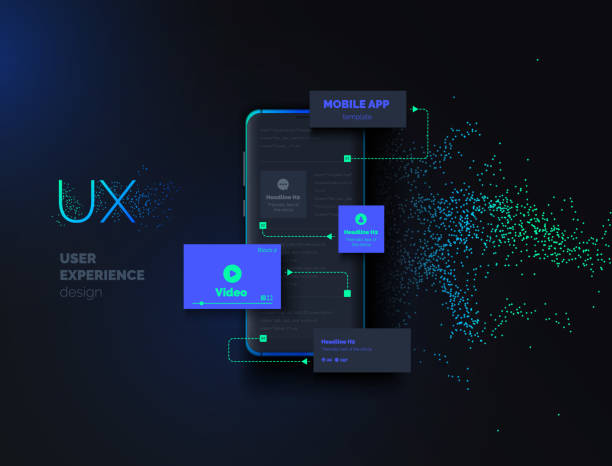
The digital environment of today requires online businesses to provide more than just a website or mobile application. Users demand websites to provide smooth navigation and attractive visual designs and simple-to-use interactive features. Users will exit the website within seconds when the website fails to meet their expectations. UI/UX design functions as the essential element which determines user experience. The combination of a well-designed user interface (UI) and an effective user experience (UX) strategy determines how users engage with your platform which results in their conversion to customers.
Understanding the Difference Between UI and UX
Although often used interchangeably, UI and UX serve different purposes.
User Interface (UI) focuses on all visual elements which users can use to interact with the system. The interface defines all visual aspects which a digital product will display to users.
User Experience (UX) describes how users perceive the product through its operational features and sensory experience. The experience covers multiple aspects which include usability and navigation flow and accessibility and responsiveness and general user satisfaction with their interactions.
The combination of UI design with UX design creates an uninterrupted user experience which enables users to complete their goals through signing up and making purchases and submitting forms.
First Impressions Matter
People need less than two seconds to decide their website opinion about a site. A website loses its trustworthiness when users encounter either a disorganized design or an unsteady visual system or a delayed website performance. Trustworthiness and professional appearance establish themselves through clean website designs which use balanced empty space and maintain uniform brand identity and show obvious button functions.
The first impression creates a positive effect because it decreases bounce rates while it motivates users to continue their website exploration. User engagement and conversion rates increase as users spend more time on the website.
Simplified Navigation Boosts Engagement
Confusing navigation is one of the main reasons users abandon websites. Effective UX design ensures that users can find what they need quickly and intuitively. This includes:
- Logical menu structures
- Clear headings and subheadings
- Search functionality
- Breadcrumb trails
- Minimal clicks to reach important pages
When navigation feels effortless, users experience less frustration. This positive interaction increases session duration and page views—both of which are strong indicators of engagement.
Mobile-First and Responsive Design
The majority of users now access digital platforms through their smartphones which makes responsive design an essential requirement. The mobile-first design approach enables content to display correctly on different screen sizes while maintaining its usability and visual design.
Users must be able to tap buttons easily while they should see text clearly without zooming and users expect websites to load quickly. Users who experience a smooth mobile interface tend to finish their transactions and inquiries.
Visual Hierarchy Guides User Decisions
Strategic UI design uses visual hierarchy to draw attention to important elements. Through contrast, size, color, and placement, designers guide users toward key actions such as:
- “Buy Now” buttons
- Subscription forms
- Download links
- Contact inquiries
When call-to-action elements stand out clearly without overwhelming the design, users naturally follow the intended path. This structured flow significantly improves conversion rates.
Page Speed and Performance Impact Conversions
The visually appealing nature of a platform becomes irrelevant when slow loading times cause users to lose interest. Studies consistently demonstrate that even a one-second delay will result in reduced conversions.
UX optimization requires image optimization, code reduction, caching implementation, and server response time enhancement. The system establishes trustworthiness through its fast performance, which prevents users from leaving the page before they access the material.
Emotional Connection Through Design
Effective UI/UX design goes beyond usability—it builds emotional connections. Color psychology, typography choices, imagery, and tone all contribute to how users feel while browsing.
For example:
- Soft color palettes create calmness and trust.
- Bold typography conveys confidence and authority.
- Micro-interactions (like subtle animations) add delight and responsiveness.
When users feel comfortable and emotionally connected, they are more likely to engage deeply and return in the future.
Consistency Builds Trust
The brand identity of a website becomes stronger through consistent design elements across different pages which also help users process information more easily. The design enables users to anticipate element behavior through its implementation of same button designs and matching font styles and fixed page structure elements.
Users experience control when they can anticipate the system behavior. The trust factor establishes a critical impact on conversion rates because customers decide whether to complete their purchases during checkout and submit their information when they have security doubts.
Accessibility Expands Reach
Digital experiences become accessible to all users through inclusive design which includes users with disabilities. Users can navigate the system more easily through proper contrast ratios and keyboard navigation support and readable font sizes and screen reader compatibility.
Platforms become more usable when they meet accessibility guidelines but have no restrictions on their user base. Organizations that enhance accessibility will create products which all users can use while achieving higher customer satisfaction levels.
Data-Driven UX Optimization
UI/UX design is not a one-time task. Continuous testing and optimization are essential for sustained growth. Tools like heatmaps, user session recordings, and A/B testing reveal how visitors interact with different elements.
By analyzing user behavior, designers can:
- Identify drop-off points
- Refine call-to-action placement
- Simplify checkout flows
- Improve form completion rates
Small design improvements based on real data can significantly impact conversion performance over time.
The Role of Micro-Interactions
Micro-interactions—such as hover effects, loading animations, or confirmation messages—enhance user engagement. The small details create a feedback system which informs users about their current status.
The button color changes when users click it and the success message shows up after form submission to eliminate user uncertainty. The small features boost usability and help users to interact with the system for longer periods.
Reducing Friction in the Conversion Funnel
The process requires users to complete multiple steps which leads to increased risk of drop-off. The combination of streamlined forms with autofill options and progress indicators and simplified checkout processes decreases user friction.
UX design frameworks exist to eliminate all nonessential barriers which prevent users from achieving their objectives. Users will complete their desired actions with greater success when their experience progresses without interruptions.
Conclusion
The function of UI/UX design extends beyond visual appeal because it serves as a strategic element which determines user engagement and conversion rates. The design process needs to pay attention to all aspects, which include first impressions, navigation effectiveness, system performance, and emotional design elements, because they will all affect how users interact with the system.
User-centered design which businesses develop through their design investments will create systems that people find easy to use and trustworthy and enjoyable. The users respond by staying longer on the site and returning more frequently and converting at higher rates.
The digital space requires businesses to implement outstanding UI/UX design because it has become essential for their long-term growth in an environment where users have brief attention spans and face strong market competition.

