SEO vs PPC: Finding the Right Strategy for Your Business

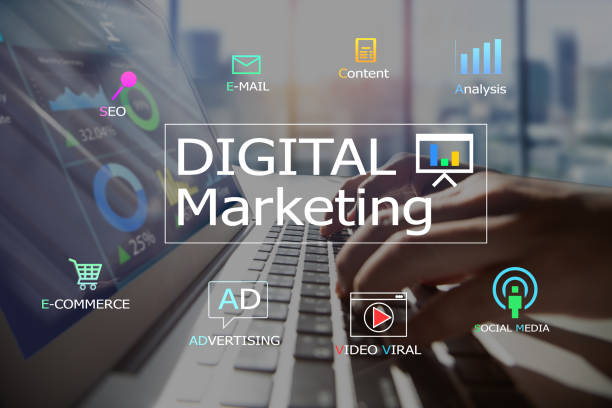
Businesses in the current digital environment which has become highly competitive must decide between two marketing strategies because they face this common problem. The two methods effectively drive website traffic while creating business leadsbut they operate through completely different processes. Businesses can make informed decisions about their best marketing strategy when they understand how the two methods operate their respective benefits and their market restrictions.

Every business from startups to established companies needs to determine which path to follow because it will help them use their time and resources effectively while achieving their maximum potential. We will examine SEO and PPC as two distinct marketing methods and show you how to choose the best option for your business needs.

Understanding SEO: Long-Term Organic Growth

SEO helps businesses increase their online presence through organic search results which do not require paid advertising. The process involves three main steps which include developing excellent content, enhancing website technical elements, and establishing trust through backlinks and sustainable reputation.

SEO provides long-lasting benefits because businesses maintain their online presence through its use. Proper website optimization for relevant search terms leads to ongoing traffic which establishes brand authority and trustworthiness. Businesses need to build their SEO strategy through planning and ongoing effort until they achieve results.

How SEO Benefits Businesses

  1. Keyword Research: The first step is identifying what your audience is searching for. Using keyword research tools, businesses can find terms with high relevance and manageable competition to target.
  2. On-Page Optimization: This involves optimizing titles, meta descriptions, headings, and website content. High-quality content answers user queries effectively and encourages engagement.
  3. Technical SEO: Website speed, mobile responsiveness, and proper structure help search engines crawl and index your pages efficiently. Technical SEO ensures that your site performs well and ranks higher.
  4. Link Building: Acquiring backlinks from authoritative websites improves credibility. Internal links between pages also help users navigate your site while passing “authority” across pages.
  5. Local SEO: Local SEO serves as an essential requirement for businesses that choose to operate in particular geographic markets. The process of Google Business Profile optimization requires businesses to provide correct contact information and business hours which will enable them to attract customers from nearby areas.

Understanding PPC: Quick Visibility and Results

PPC advertising enables businesses to display their ads at the highest position in search results and on Google Ads and social media platforms, which charge them only for actual ad clicks. PPC enables businesses to achieve instant website visits while directing their traffic towards specific audience segments, which stands in contrast to SEO methods.

PPC serves as the perfect solution for businesses that need to execute time-specific marketing initiatives which include product launches and promotional activities. The system enables you to determine which audience segments should see your advertisements by selecting specific demographics and geographic areas and interest categories and user behavior patterns.

How PPC Works

  1. Campaign Setup: Start by selecting your platform, setting your target audience, budget, and bidding strategy. Platforms allow you to control when and where your ads appear.
  2. Keyword Research: Selecting relevant keywords ensures that your ads are shown to people actively searching for your products or services. Long-tail keywords can reduce costs while reaching highly interested users.
  3. Ad Creation: Ads need compelling headlines, clear messaging, and strong calls-to-action. Well-written ads drive engagement and conversions.
  4. Auction and Placement: When users search for your targeted keywords, an ad auction determines placement based on your bid and ad quality. Higher relevance can improve placement without increasing cost.
  5. Tracking and Optimization: Monitoring clicks, conversions, and ROI helps optimize campaigns for performance. Continuous refinement ensures the budget is spent effectively.

Choosing Between SEO and PPC

The decision between SEO and PPC depends on your business goals, timeline, and resources.

  • For long-term growth: SEO builds credibility, organic traffic, and brand authority. It’s ideal if you aim to establish a strong online presence over time.
  • For quick results: PPC delivers immediate visibility and leads. It works best for promotions, events, or new product launches.
  • For best results: I found that both solutions together create better results for my business needs. PPC provides businesses with quick results whereas SEO establishes permanent website authority. Your business will receive instant customer inquiries while your business maintains its future expansion.

Key Considerations for Your Business

  1. Budget: SEO takes more time and effort to keep going, and PPC is like flipping a switch, which drives in traffic.
  2. Timeline: SEO results take months to show, whereas PPC starts driving traffic immediately.
  3. Business Goals: State the objectives—brand awareness, long-term credibility, or market response.
  4. Audience Behavior: Identifying where your audience spends time online and searches for products or services is crucial.

Final Thoughts

Search engine optimization and pay-per-click advertising function together as combined marketing techniques. SEO establishes enduring trustworthiness which leads to organic website traffic and permanent business expansion while PPC enables companies to achieve instant online presence through targeted advertising which produces quick outcomes.

The most effective strategy often involves combining both. Startups use PPC to generate immediate leads while they develop their SEO capabilities for receiving ongoing organic traffic.

The business requirements together with your objectives and available resources will determine which option between SEO and PPC you should select. Companies need to understand how each strategy operates because this knowledge helps them choose the best marketing approach which will deliver maximum returns on investment while driving their business forward in the digital competitive marketplace.

Your business needs the right strategy to reach its target audience at specific times through both organic searches and focused advertisements. Your digital marketing campaigns will succeed when you implement strategic planning together with performance assessment methods.


How to Choose the Right Web Development Company: Expert Tips for 2026

Your website functions as an online presence but it serves as a powerful business asset that generates growth while establishing trust with customers and maintaining communication with them. The choice of an appropriate web development company serves as a vital decision because it determines your brand success and customer satisfaction and business growth potential.

At YouthTech Solutions LLP, we understand how important it is to make the right choice. The guide provides you with agency evaluation methods which help you choose a trustworthy business partner.

1. Understand Your Project Requirements

Before approaching any web development company, it’s essential to clearly define your project goals. This step lays the foundation for a successful collaboration.

Define Your Business Goals

The first step requires users to determine their website goals. The developers need to understand your business goals because your explanation should specify whether your business needs lead generation or sales growth or brand recognition.

Identify Your Target Audience

Your audience research needs to be conducted for your website design because it determines which user experience elements to implement. The study needs to look at their preferences together with their behavioral patterns and their expected outcomes.

Choose the Right Platform

Decide whether you need a custom-built website, a CMS-based solution, or an eCommerce platform. This decision will influence your website’s performance, flexibility, and scalability.

Outline Key Features

The system requires all essential functionalities, which include contact forms and booking systems and integrations and payment gateways. The project budget requires us to divide features into two categories, which include must-have features and optional features.

2. Evaluate the Company’s Portfolio and Reviews

Once your requirements are clear, begin researching potential development partners.

Review Portfolio and Case Studies

Analyze previous projects to understand the company’s expertise, creativity, and ability to handle similar requirements.

Assess Technical Expertise

The agency needs to develop expertise in current technological frameworks and modern technologies. The project needs to be validated first before testing advanced functions of the system.

Check Industry Experience

Companies with experience in your industry understand your market better and can provide more effective solutions.

Explore Client Reviews

Look for feedback on trusted platforms. Consistent positive reviews indicate reliability and strong client relationships.

Request Client References

Direct conversations with previous clients provide you authentic evidence about their work patterns and their methods of communication and their project completion schedules.

3. Assess Development Process and Communication

A well-defined process ensures your project runs smoothly from start to finish.

Understand Their Methodology

Ask whether they follow Agile, Scrum, or other development approaches. Flexible methods allow changes during the project without delays.

Evaluate Communication Practices

Clear communication is key. Ensure they provide regular updates and use reliable collaboration tools.

Ensure Dedicated Project Management

A dedicated project manager keeps your project on track, manages timelines, and ensures smooth coordination.

  1. Focus on Design and User Experience

A successful website is not just about features—it’s about delivering a seamless user experience.

Prioritize User-Centric Design

Choose a company that focuses on intuitive navigation and user-friendly interfaces to enhance engagement.

Review UI/UX Work

Examine their design portfolio to ensure their style matches your brand identity.

Request Wireframes or Prototypes

Prototypes help you visualize the website structure before development begins, allowing early improvements.

5. Compare Pricing and Value

Budget is important, but it should not compromise quality.

Focus on Value Over Cost

Low-cost options may lead to poor performance and higher maintenance costs. Invest in quality for better long-term returns.

Request Transparent Quotes

A professional company will provide a clear cost breakdown, helping you understand your investment.

Understand Pricing Models

Choose between fixed pricing, hourly rates, or project-based models depending on your project scope.

6. Check Support and Maintenance Services

Website development doesn’t end at launch. Continuous support is essential.

Ask About Maintenance Plans

Ensure the company offers ongoing support for updates, bug fixes, and performance improvements.

Plan for Scalability

Your website should grow with your business. Choose a partner who can support future upgrades and expansions.

7. Review Legal and Security Aspects

Protecting your business and data is critical when working with a development company.

Sign a Non-Disclosure Agreement (NDA)

An NDA ensures your ideas and business information remain confidential.

Verify Security Practices

Ensure the company follows best practices for data protection and complies with industry standards.

Confirm Ownership Rights

Make sure you retain full ownership of your website, including code and intellectual property after project completion.

Conclusion

The selection of a web development company constitutes a vital business decision which will determine your company’s online presence for years to come. The process of hiring developers requires businesses to establish longterm partnerships with professionals who possess skills to help them achieve their business objectives.

YouthTech Solutions LLP develops web solutions which provide our clients with scalable and user-friendly and high-performing systems that match their specific business requirements. The guide provides expert tips which will help you select a development partner who matches your vision and will assist you in achieving success during 2026 and subsequent years.

How to Get Your Business Recommended by AI in 2026

Search behavior is evolving faster than ever. Users now use AI tools and conversational platforms to ask their questions instead of entering short keywords into search engines. The systems which provide AI-based search results and chat-based assistants now control which businesses receive exposure while they determine which companies stay hidden.

Your business will lose customers to competitors who appear in AI-generated answers when your brand fails to show up in those answers. This guide will help you understand how AI recommendation systems work and what you can do to position your business for better visibility in 2026.

The Shift from Traditional Search to AI-Driven Discovery

User behavior has fundamentally changed. People no longer search using fragmented keywords—they ask detailed, conversational questions like:

  • Which company is best for SEO services for franchises?
  • Who can improve visibility in AI search tools?
  • What is the most reliable digital marketing agency for multi-location businesses?

These types of queries carry intent, context, and expectations. AI tools analyze these inputs and generate direct answers—often recommending specific businesses.

This means visibility is no longer just about ranking on search engine results pages. It’s about being included in AI-generated responses.

Why Traditional SEO Alone Is No Longer Enough

Traditional SEO focused heavily on keyword density, backlinks, and page-level optimization. While these still matter, they are no longer sufficient on their own.

Modern AI-driven search systems prioritize:

  • Understanding user intent instead of exact keywords
  • Content relevance and depth over keyword repetition
  • Contextual meaning through semantic analysis
  • Real-world credibility and trust signals

AI systems use advanced technologies like natural language processing and machine learning to evaluate content quality. If your strategy relies only on outdated SEO techniques, your visibility will decline over time.

The Rise of Conversational and Voice Search

Voice assistants and chat-based tools are reshaping how users search for information. These queries are typically:

  • Longer and more natural
  • Question-based
  • Context-driven

Users search for SEO agencies by entering the query “best SEO agency” instead of asking which agency delivers optimal results for AI platform ranking enhancements.

Your content needs to meet actual spoken language patterns because that requirement exists for maintaining your competitive edge. The solution requires you to create content that mirrors natural conversations while using specific long-tail keywords for optimization purposes.

How AI Decides Which Businesses to Recommend

AI tools don’t randomly suggest businesses—they follow specific signals to determine trust and relevance. Here are the key factors:

1. Entity Recognition

AI systems need to clearly understand who you are. Your business must be defined as a recognizable entity with consistent information across the web.

2. Content Structure and Clarity

Well-organized content helps AI understand your expertise. If your website lacks structure, AI may struggle to interpret your relevance.

3. Relevance to User Queries

Your content must directly answer real user questions. If it doesn’t match the intent behind queries, it won’t appear in AI responses.

4. External Mentions and Authority

AI evaluates how often and where your business is mentioned. Mentions on trusted platforms, blogs, and directories strengthen your credibility.

What Is AI SEO and Why It Matters

AI SEO is the process of optimizing your business to appear in AI-generated answers rather than just traditional search rankings.

It focuses on:

  • Building strong entity authority
  • Using structured data for better understanding
  • Creating conversational, intent-driven content
  • Establishing trust across multiple platforms

This approach ensures your business is visible not only on search engines but also within AI-driven ecosystems.

Key Elements to Get Recommended by AI

1. Build Strong Entity Authority

Your business should be clearly defined across the internet. The requirement includes establishing unified brand identity and providing correct business details and establishing links to appropriate subjects.

AI systems analyze relationships between entities, so the more clearly your business is positioned, the better your chances of being recommended.

2. Use Structured Data Effectively

Structured data (schema markup) helps AI understand your website content more precisely.

Important schema types include:

  • Organization
  • Services
  • Reviews
  • FAQs
  • Local business details

This structured format improves your chances of appearing in rich results and AI answers.

3. Optimize for Conversational Queries

Content should match how users naturally ask questions.

Focus on:

  • Long-tail keywords
  • Question-based headings
  • Clear, direct answers

This increases your chances of being selected in voice search and AI-generated responses.

4. Strengthen Trust Signals

AI evaluates trust before making recommendations.

Important trust factors include:

  • Secure website (HTTPS)
  • Positive user reviews
  • Consistent brand mentions
  • High-quality backlinks

Building trust improves both search rankings and AI visibility.

5. Create Topic Clusters

AI doesn’t just evaluate individual pages—it understands topics as a whole.

A strong content structure includes:

  • A main “pillar” page covering a broad topic
  • Supporting articles targeting related subtopics
  • Internal linking between pages

This signals expertise and improves your authority in a subject area.

6. Increase Brand Mentions Across the Web

Your website alone is not enough. AI systems track external signals to validate your credibility.

Focus on:

  • Guest posting on industry blogs
  • Listing your business in relevant directories
  • Earning mentions from trusted sources

The more your brand is discussed in relevant contexts, the stronger your authority becomes.

A Simple AI SEO Framework for 2026

To improve your chances of being recommended by AI, follow this structured approach:

Step 1: Define your business entity clearly
Step 2: Implement structured data across all pages
Step 3: Create content based on real user questions
Step 4: Build high-quality mentions and backlinks
Step 5: Organize content into topic clusters

This framework helps AI systems understand, trust, and recommend your business more effectively.

Who Should Focus on AI SEO?

AI-focused optimization is especially valuable for:

  • Multi-location businesses struggling with visibility
  • Franchise businesses managing multiple markets
  • B2B companies targeting high-intent queries
  • Service-based businesses aiming for AI recommendations

If your customers are using AI tools to find solutions, you need to be part of those answers.

Final Thoughts

The process of obtaining AI business recommendations requires companies to create digital content that matches current search engine optimization standards.

The development process should create content which provides assistance to users and maintains proper organization and establishes credibility. The online reputation of your business needs to be established through identification methods while structured data implementation and brand recognition on trustworthy sites should be executed.

The advantages which businesses obtain from AI technologies will increase in value for organizations that implement these changes. Your business will achieve future search visibility and trustworthiness through your current investment in AI-based business strategies.

Frequently Asked Questions

How does AI choose which businesses to recommend?
AI looks at content relevance, structured data, trust signals, and consistent mentions across reliable sources.

Why is AI SEO important in 2026?
Because more users rely on conversational tools for search, and visibility is shifting from traditional rankings to AI-generated answers.

Does content structure matter for AI visibility?
Yes. Clear structure and topic clusters help AI understand your expertise and improve your chances of being recommended.

Can external mentions impact AI recommendations?
Absolutely. Mentions on trusted websites and platforms strengthen your credibility and authority.

How can I optimize for conversational search?
By creating content that answers real questions using natural language and long-tail keywords.

How to Select the Best CMS for Your Business in 2026

Your website functions as the main platform through which your business operates in the current digital era that determines company success through online presence. A successful website needs an efficient Content Management System (CMS) which controls all its functions for content creation and maintenance and content distribution. The choice of CMS system in 2026 requires organizations to make an operational decision because it will determine their website performance and search engine optimization results and system expansion capabilities and customer satisfaction.     

The process of choosing the best CMS platform becomes difficult because there are numerous options available in the current market. The guide simplifies your decision-making process by explaining different CMS types and essential evaluation criteria and methods for selecting a platform that suits your business requirements.

Why Your CMS Choice Is More Important Than Ever

A CMS has evolved into a primary business asset that powers all digital growth operations of your organization. The system determines three key aspects of your website which include content publishing speed and search engine performance.

Search engines of 2026 demonstrate advanced capabilities which enable them to deliver better user experiences than previous versions. Page speed and mobile responsiveness and structured content elements function as essential ranking factors. Your website will face competitive challenges if your CMS fails to deliver these essential capabilities.

Businesses currently run their operations through various digital platforms which include websites and applications and smart devices. A contemporary content management system needs to provide complete content management capabilities for all digital distribution channels.

Why Businesses Should Use a CMS

A CMS simplifies website management and empowers teams to work efficiently. Here’s why it is essential:

  • Enables quick content updates without coding
  • Supports collaboration with user roles and permissions
  • Offers built-in SEO tools for better visibility
  • Allows scheduling and automation of content
  • Reduces dependency on developers
  • Scales easily as your business grows

Whether you are a small business owner or part of a large organization, a CMS helps streamline your entire content workflow.

Types of CMS Platforms

Understanding CMS architecture is the first step in making the right decision.

Traditional (Monolithic) CMS

This type combines content management and front-end design in one system. It is simple to use and widely adopted.

Best for: Small to medium businesses, blogs, and content-focused websites

Headless CMS

A headless CMS separates the backend from the frontend. Content is stored centrally and delivered via APIs to different platforms.

Best for: Businesses with multi-channel strategies, mobile apps, and custom development needs

Hybrid (Composable) CMS

This approach combines the strengths of both traditional and headless systems. It offers flexibility while maintaining ease of use.

Best for: Enterprises and growing businesses needing scalability and control

Open-Source vs SaaS CMS

Choosing between open-source and SaaS platforms is another key decision.

Open-Source CMS

Open-source platforms give you full control over your website and data.

Pros:

  • Highly customizable
  • Large community support
  • Lower initial cost

Cons:

  • Requires maintenance and security updates
  • May need developer involvement

SaaS CMS

SaaS platforms are managed by providers, offering an all-in-one solution.

Pros:

  • No maintenance or hosting concerns
  • Regular updates and security handled automatically
  • Easy to use for non-technical users

Cons:

  • Limited customization
  • Ongoing subscription costs
  • Vendor dependency

7 Key Factors to Consider When Choosing a CMS

Selecting the right CMS requires a structured evaluation. Focus on these seven factors:

1. Define Your Requirements

Start by identifying your business goals and involving all stakeholders—marketing, IT, and content teams. Each group will have different needs that must align with the CMS.

2. Ease of Use

Choose a platform that your team can use without heavy technical knowledge. A user-friendly interface saves time and increases productivity.

3. Scalability

Your CMS needs to handle future development requirements which will occur during upcoming years. The system needs to handle increased user traffic and expanded content and new feature development during the next three years.


4. SEO Capabilities

Ensure the CMS supports essential SEO features like:

  • Custom meta tags
  • Clean URL structures
  • XML sitemaps
  • Schema markup
  • Fast loading speeds

These features are critical for improving search rankings.

5. Customization Options

The CMS should enable you to create and change your website according to your brand requirements. The ability to adapt to changing circumstances serves as the essential component for achieving permanent success.

  1. Security and Integrations

The security needs to be maintained at all times. The system needs to provide SSL support together with role-based access control and regular software updates. The CMS needs to work seamlessly with analytics and CRM and marketing platform tools.

7. Total Cost of Ownership

Consider all costs—not just the initial price. Include hosting, plugins, development, maintenance, and future upgrades in your calculation.

Choosing the Right CMS for Your Business Type

Different businesses have different needs. Here’s how to choose based on your use case:

Small Businesses and Bloggers

Opt for user-friendly platforms with minimal setup. These allow quick website creation and easy management.

eCommerce Businesses

Choose a CMS with strong eCommerce capabilities, including payment integration, inventory management, and scalability.

Enterprise Organizations

Large businesses should look for platforms that support multi-site management, advanced security, and complex workflows.

SaaS and Tech Companies

Headless CMS platforms are ideal for companies needing flexibility and multi-channel content delivery.

CMS Migration: What to Consider

If you’re switching from one CMS to another, proper planning is essential. Key steps include:

  • Conduct a complete content audit
  • Map old URLs to new ones
  • Set up 301 redirects
  • Transfer SEO metadata
  • Test website performance before launch
  • Monitor traffic and rankings after migration

A well-planned migration ensures you don’t lose your existing SEO value.

Future Trends in CMS (2026 and Beyond)

The CMS landscape is evolving rapidly. Here are the trends shaping the future:

AI-Powered Content

Modern CMS platforms are integrating AI tools to help create, optimize, and personalize content.

Headless and Composable Systems

More businesses are moving towards flexible architectures that allow content delivery across multiple platforms.

Omnichannel Content Management

Managing content through one system across websites, apps, and other digital touchpoints is now considered to be standard practice.

Cloud-Based Solutions

Cloud-native CMS platforms offer better scalability, lower infrastructure costs, and improved performance.

Conclusion

The selection of an appropriate  CMS system  creates a base decision which will determine your business’s online success throughout multiple years. The selection process requires more than examining product features because organizations must choose a system which will help them accomplish their objectives while enabling their workforce to expand their operations.

Begin your process by identifying your needs which you should assess through platform testing that measures usability and scalability and SEO performance and expenses before you select your final option.

Your organization should select a CMS system which will help them handle content creation tasks while achieving business expansion goals and increasing customer visibility and engagement throughout 2026 and the following years.

Check our all news